
What Should I Consider When Booking a Luxury River Cruise?
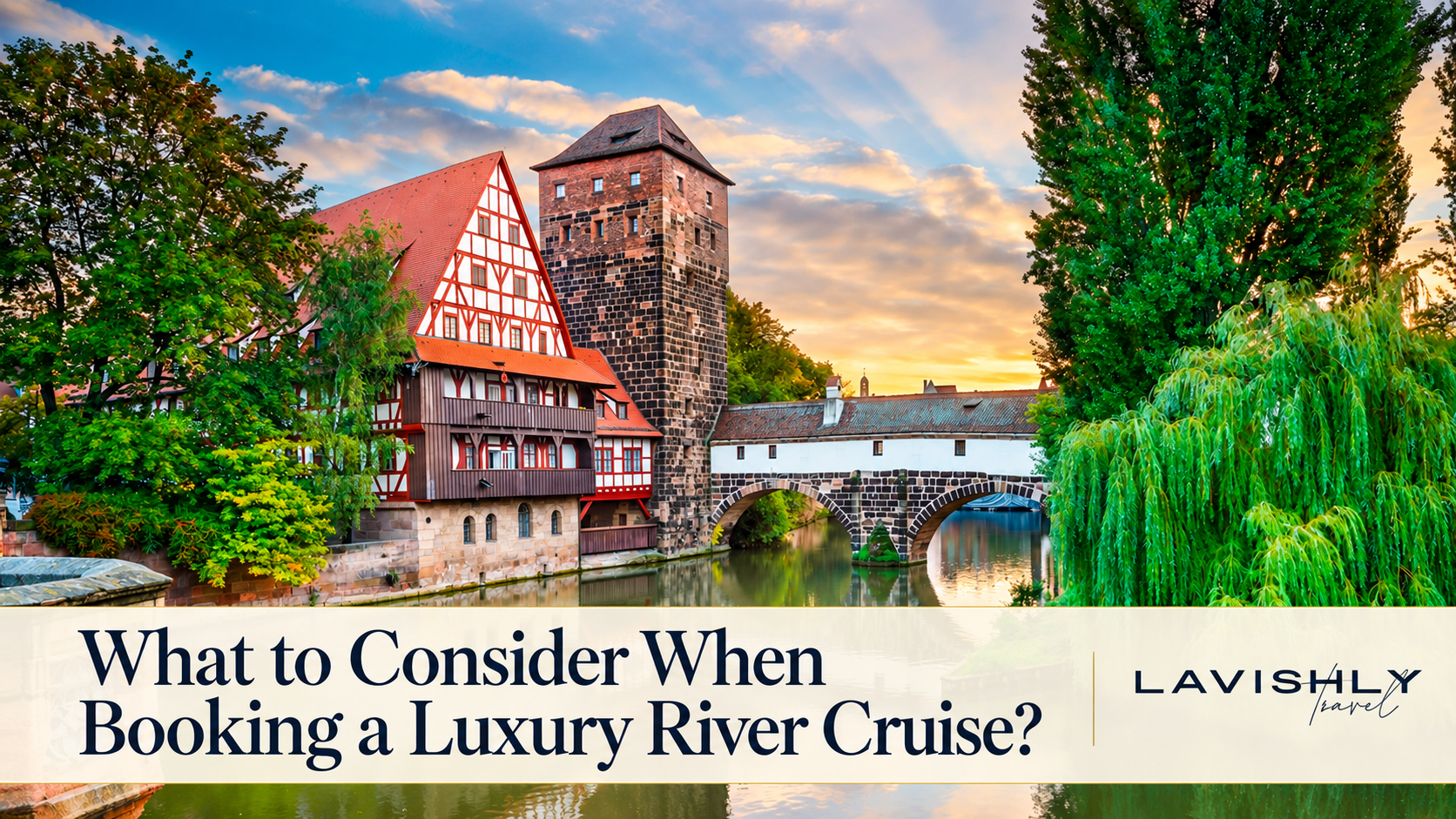
When booking a river cruise, consider the river and itinerary first, then compare the cruise line, cabin, included excursions, season, mobility demands and pre- and post-cruise plans. Two sailings on the same river can look similar online and deliver very different experiences.
A river cruise is not simply a smaller ocean cruise. The ship supports the destination-focused itinerary, and the most important choices often involve what happens ashore, how the days are paced and what is truly included.

1. Which river and itinerary fit your interests?
Begin with what you want to experience rather than choosing a cruise line first. The Rhine can appeal to travelers interested in castles and riverside towns. The Danube can combine cities such as Budapest and Vienna with smaller communities and seasonal themes. French rivers may place more emphasis on food, wine, villages and regional history.
Read the day-by-day route carefully. Look at the amount of time in port, which stops are included, whether the ship visits overnight and how much transportation is required for excursions.

2. Which river cruise line fits your travel style?
River cruise lines differ in atmosphere, ship design, dining, cabin layouts, included excursions, activity levels and what is covered in the fare. A familiar brand is not automatically the best match.
I compare lines such as Viking and AmaWaterways based on the traveler, itinerary and current offer—not only the headline price. The details matter more than a general ranking.
3. What is included in the real trip cost?
Compare what the fare includes: excursions, beverages, gratuities, Wi-Fi, airport transfers, specialty dining and optional activities. Also account for international air, insurance, pre- or post-cruise hotels and any privately arranged touring.
A lower starting price may not be the lower total price after the experience you actually want is added.
4. Which cabin and deck should you choose?
Cabin categories vary widely. Consider the window or balcony style, square footage, storage, bathroom layout, deck location and proximity to elevators or public spaces. On some vessels, the lowest-deck windows sit close to the waterline. On others, balcony designs use space differently than travelers expect.
The best cabin is the one that matches your budget, sleep preferences, mobility and the amount of time you expect to spend there.

5. How active are the excursions?
River-cruise days can include cobblestones, stairs, uneven streets and substantial walking. Some lines offer multiple activity levels, but the specific choices vary by sailing.
Ask how excursions are grouped, whether slower-paced options are available, what requires advance selection and which experiences cost extra. Travelers with mobility concerns should discuss them before booking, not after final payment.

6. What time of year should you travel?
Season affects weather, daylight, crowds, scenery and special events. Christmas-market sailings create a very different experience from spring tulips or a summer wine-region itinerary.
River conditions can also affect operations. High or low water may occasionally require altered docking, transportation or itinerary adjustments. No advisor or cruise line can guarantee future river conditions, so review the terms and maintain realistic expectations.
7. Should you add time before or after the cruise?
Consider arriving at least a day before an international sailing to reduce the risk of a flight delay affecting embarkation. The right buffer depends on your flights and itinerary; it cannot eliminate every disruption. Additional nights can also make the trip more meaningful.
A cruise beginning or ending near Amsterdam, Budapest, Vienna, Basel or Paris may deserve a thoughtfully planned land stay. Pre- and post-cruise time should connect naturally to the sailing rather than feel like an unrelated add-on.
8. How will the international air and transfers work?
Confirm the correct airport, embarkation point, transfer window and time you must reach the ship. Some river itineraries use cities in the title even when the port or airport logistics are elsewhere.
If air is booked independently, understand who is responsible when a delay affects the cruise. Travel protection should be considered based on the complete trip cost and the policy terms.
Is a river cruise right for you?
A river cruise can be an excellent fit for travelers who enjoy destination-focused days, unpacking once, guided sightseeing and a smaller-ship environment. It may be less suitable for someone seeking extensive onboard entertainment, large pools, late-night nightlife or a vacation centered primarily on the ship.
A river cruise may suit an anniversary, retirement celebration or a trip with friends. For multigenerational travel, check the cruise line’s minimum-age rules and the specific sailing’s suitability before making plans. Activity levels, cabin needs and everyone’s interests matter.
Why use a river-cruise travel advisor?
A professional advisor can compare the itinerary, cruise line, cabin, inclusions, air and land arrangements as one vacation. I also help identify the questions that are easy to miss when two sailings appear nearly identical.
I’m Jeanine Cioffi, founder of Lavishly Travel. I help US-based travelers departing from the United States plan personalized journeys, including milestone celebrations. My role is to help you weigh the details, verify current options and bring the cruise and land arrangements together. I regularly book Viking and other cruise lines and arrange pre- and post-cruise travel across Europe, Asia, the South Pacific and Australia.
Our initial scheduled discovery call is complimentary. If we decide to work together, the nonrefundable planning fee is agreed based on the services discussed and is separate from your trip deposit. Prices, availability and supplier terms must be confirmed for the arrangements you choose.
What should you bring to a cruise-planning call?
Bring your preferred travel dates, departure airport, approximate total trip budget, number of travelers, room preferences and any mobility needs. Tell me whether you want time on land before or after the cruise and what you most want to experience. If you already have a sailing in mind, share it so we can compare the complete trip.
Frequently asked questions
How far in advance should I book a river cruise?
Popular cabin categories, dates and specialty itineraries can sell early. The best timing depends on the sailing, current promotions and your flexibility, so it is helpful to begin before air and preferred cabins become limited.
Are river cruises all-inclusive?
Not always. The meaning of “included” varies by line and fare. Review beverages, excursions, gratuities, transfers and optional experiences carefully.
Do I need travel insurance?
Travel protection is strongly worth considering for an international cruise. Coverage, exclusions and pre-existing-condition rules vary, so review the actual policy rather than assuming every plan is the same.
Can a river cruise accommodate limited mobility?
Possibly, but ship design, gangways, docking arrangements and excursion terrain vary. Discuss specific needs before booking so the sailing can be evaluated accurately.
Plan the cruise and the land around it
Explore Lavishly Travel’s cruise-planning services or schedule your complimentary discovery call to discuss the right fit for your trip.