
Hawaii Vacation Planning Mistakes and How to Avoid Them

Hawaii rewards thoughtful planning. The islands, resort areas, room categories and travel days all shape how the vacation feels. I see the most disappointment when a traveler chooses the lowest visible price without understanding what that choice changes.
A lower price can be exactly right. I want clients to compare the complete trip and decide which tradeoffs are worth making before they book.
1. Choosing an island by price alone
Maui, Kauai, Oahu, Lanai and the Island of Hawaii offer different rhythms. Think first about the beaches, scenery, activities, dining and pace you want. Then compare hotels and flights that support that trip. My island-choice guide can help you narrow the field.
2. Treating the hotel as only a place to sleep
Your location changes the morning routine, beach time, dining options and driving. A lower room rate far from the places you want to visit may cost more in transportation and vacation time. I once chose a partial-ocean-view room and found that the “partial” view included dumpsters. A condo stay also taught me that shopping, cooking and cleaning were not how I wanted to spend that particular vacation. Neither choice is wrong for everyone; the fit matters.
3. Booking a room you already know you will regret
I call this “room envy.” If oceanfront matters to you, be clear about what partial ocean view actually means. The same question applies to a balcony, suite layout, club access or private pool. No upgrade is automatically necessary. Compare the cost with how much you will use and value it, then make a deliberate choice.

4. Comparing prices with different terms
Two rates are comparable only when the hotel, room type, view, bedding and dates match. Check refund deadlines, taxes, resort and parking fees, breakfast, credits, free-night offers, transfers and the support included. A cheaper nonrefundable partial-view room is not the same product as a flexible oceanfront booking. My Hawaii cost guide gives more context.
5. Revising a good match without revisiting priorities
My first recommendation is built around the needs and budget clients describe. Revisions are useful when priorities change or a tradeoff looks different. If each change only lowers the price while the wish list stays the same, the vacation can drift away from its purpose. Availability and rates can change while you decide, so compare the full value and book when the fit is right.
6. Packing too many islands into one trip
An island change involves packing, checkout, airport time, a flight, luggage, another transfer and check-in. That is a vacation day with little room for the experiences you came to enjoy. One or two islands can be more satisfying than a rushed itinerary. Use the trip length, flight schedule and your priorities to choose the number, rather than collecting islands.
7. Filling every day
I generally keep organized activities to one per day at most, and often every other day. Avoid a tour on arrival or departure day, allow for jet lag, and put weather-sensitive experiences early enough that a reschedule might fit. Time at the resort and an open afternoon are part of the vacation, not gaps to fill.
8. Underestimating the trip to an activity
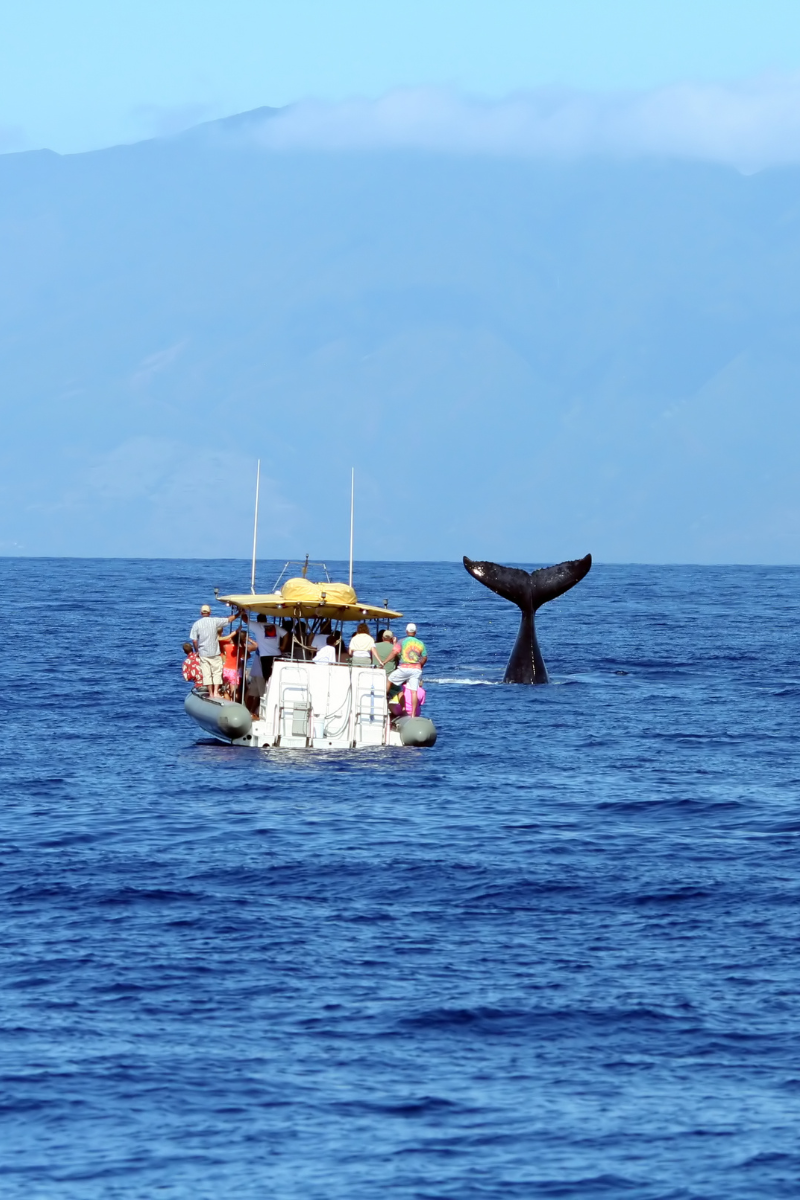
One honeymoon couple missed a boat tour because parking took longer than expected. Plan from the hotel door to the tour check-in: drive, traffic, parking, the walk, the required arrival window and a cushion. The reservation time is not the time to pull into the lot.
9. Renting a car without a use plan
A car can be essential, unnecessary or useful for a few days. Match it to the island, resort location and excursions, and include parking and transfer costs. Paying for a car that sits at the resort offers little value. My rental-car guide walks through the decision.
10. Booking each piece in isolation
Flights affect arrival-day energy and transfers. The resort area affects tour pickup and drive time. Room inclusions affect dining plans. A trip can look reasonable one reservation at a time yet feel awkward as a whole. I ask both travelers what they want, explain the cost and benefit of each option, and build in time to enjoy it.
Keep planning: Hawaii vacation planning · How Far in Advance Should You Book a Hawaii Vacation? · How Many Days Do You Need in Hawaii? · Should You Hire a Hawaii Travel Advisor?
The goal is not simply to spend more. It is to spend where the difference matters, save where it does not, and know what you are choosing. If you would like help comparing the complete value of your options, start planning with me.