
Which Hawaiian Island Is Right for You?
The right Hawaiian island depends on the vacation you want: lively days on Oahu, beach and resort time on Maui, nature on Kauai, varied landscapes on the Island of Hawaii, or a quiet stay on Lanai.
I have visited Oahu, Maui, Kauai, the Island of Hawaii and Lanai. What stays with me is how different a vacation can feel on each one. This guide focuses on those five islands and the travelers I would consider them for.
Before choosing a hotel, think about your ideal day. Would you walk to dinner, take a scenic drive, spend the afternoon by the pool, or build the day around history and culture?
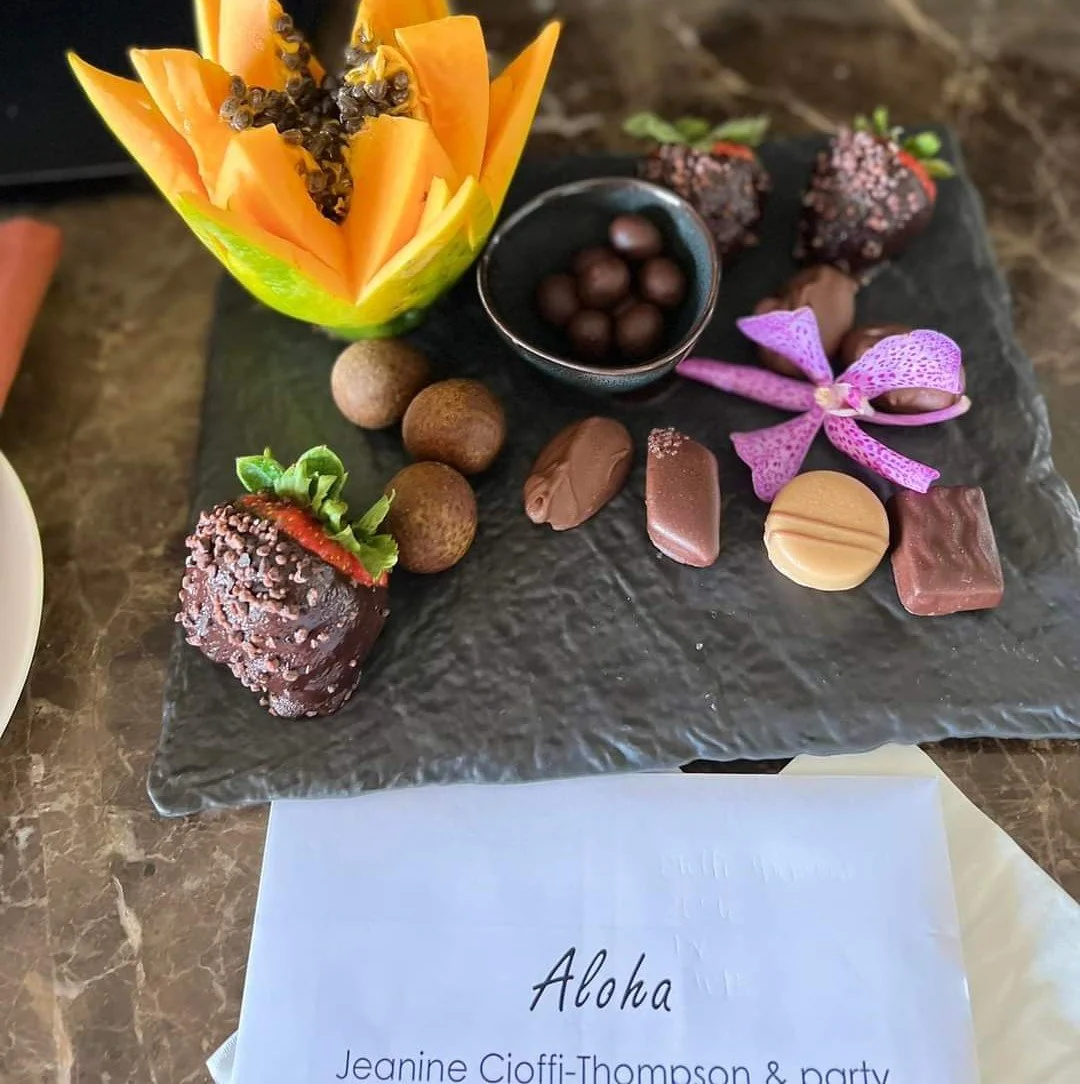
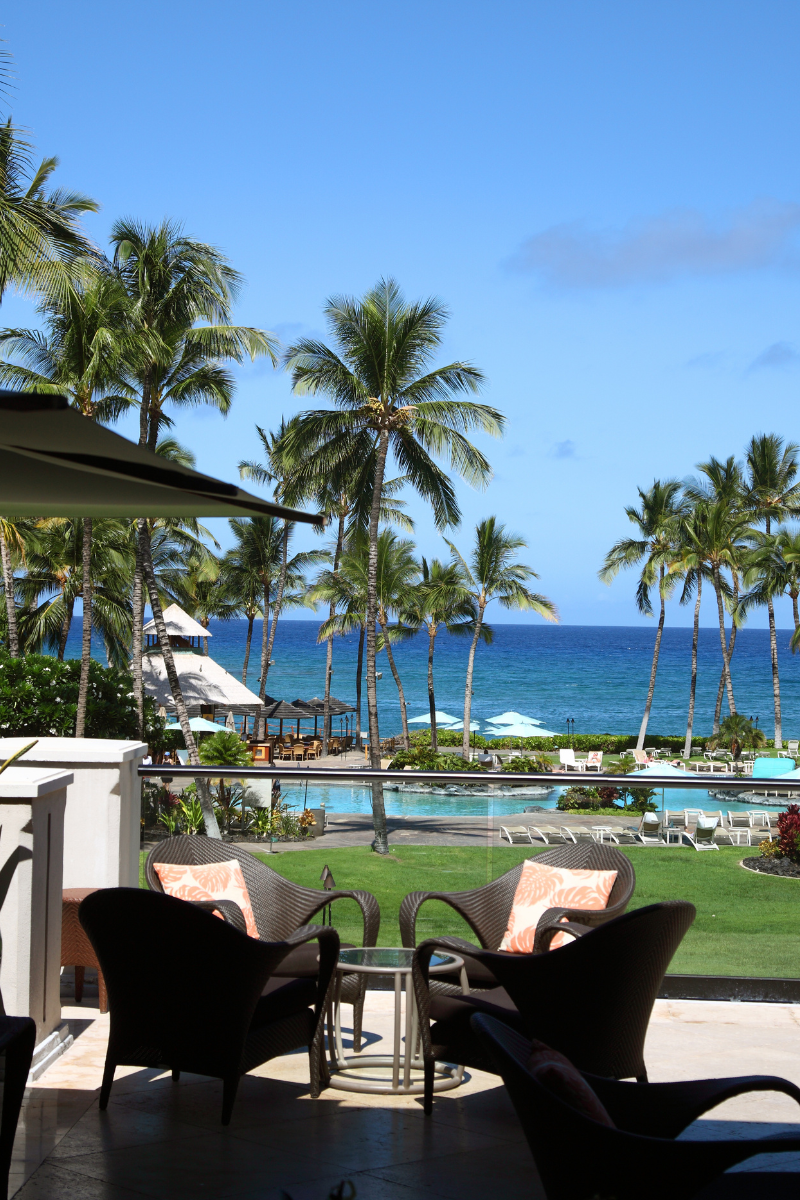
Loved this warm island welcome complete with hand-carved papaya, artisanal chocolates, chocolate-dipped strawberries, and a fresh purple orchid at the Fairmont Hawaii last year.
Oahu: history, dining and variety
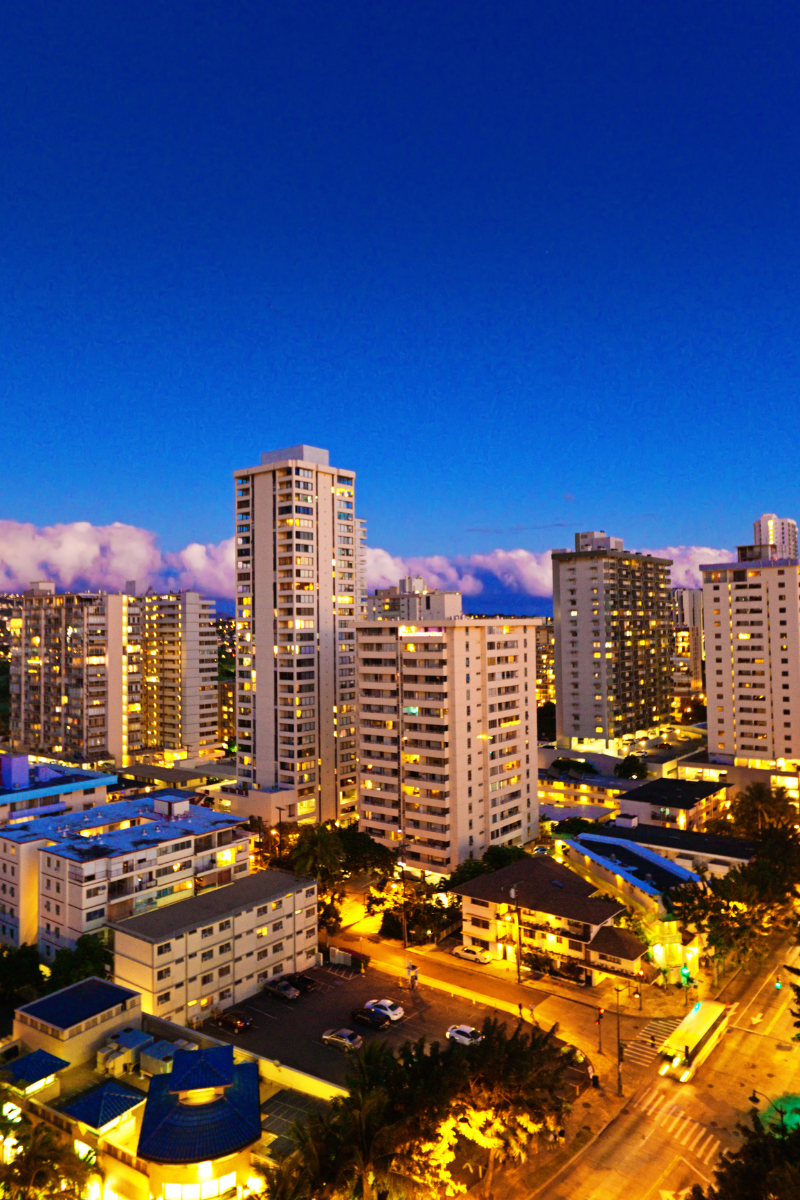
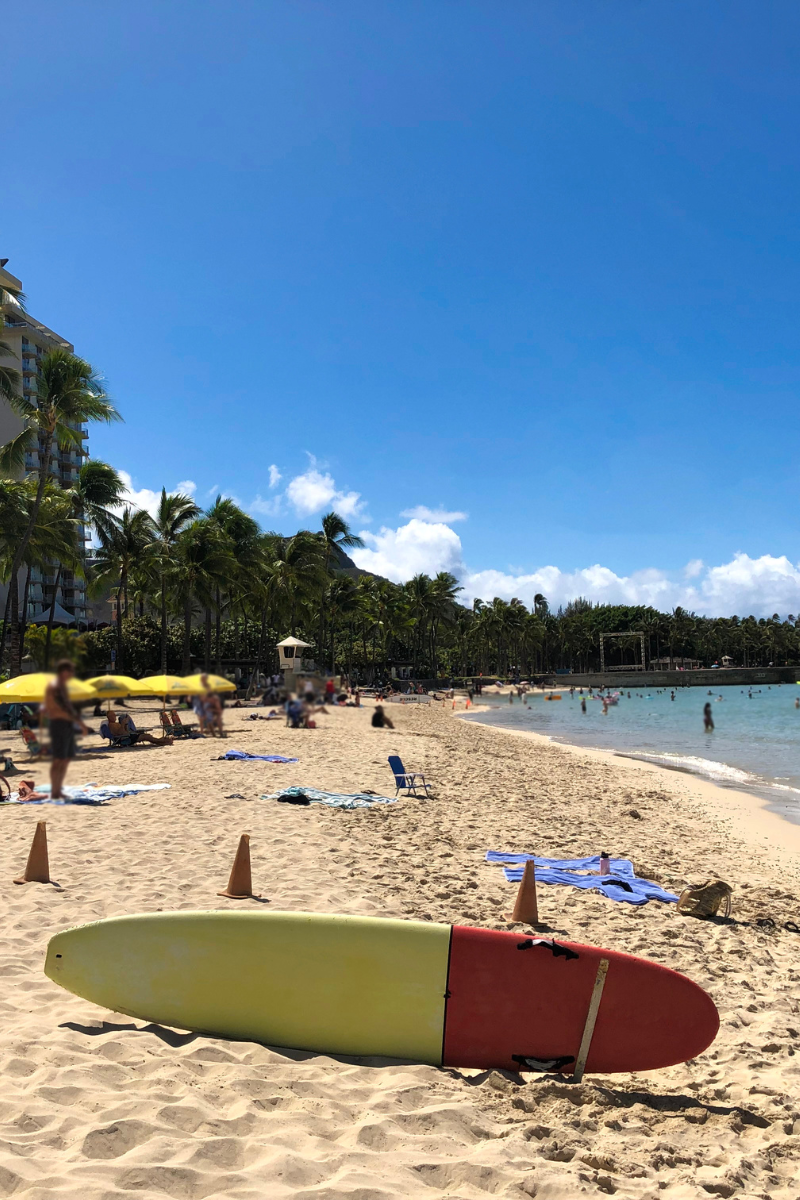
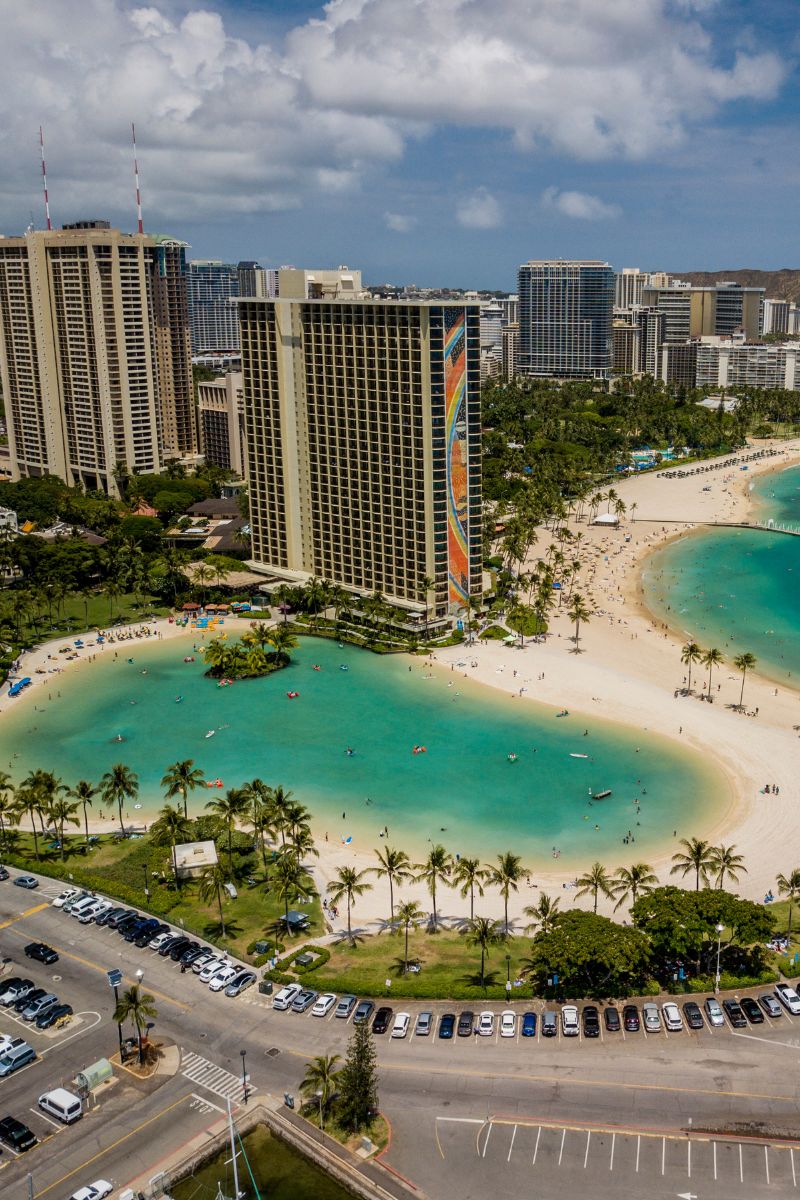
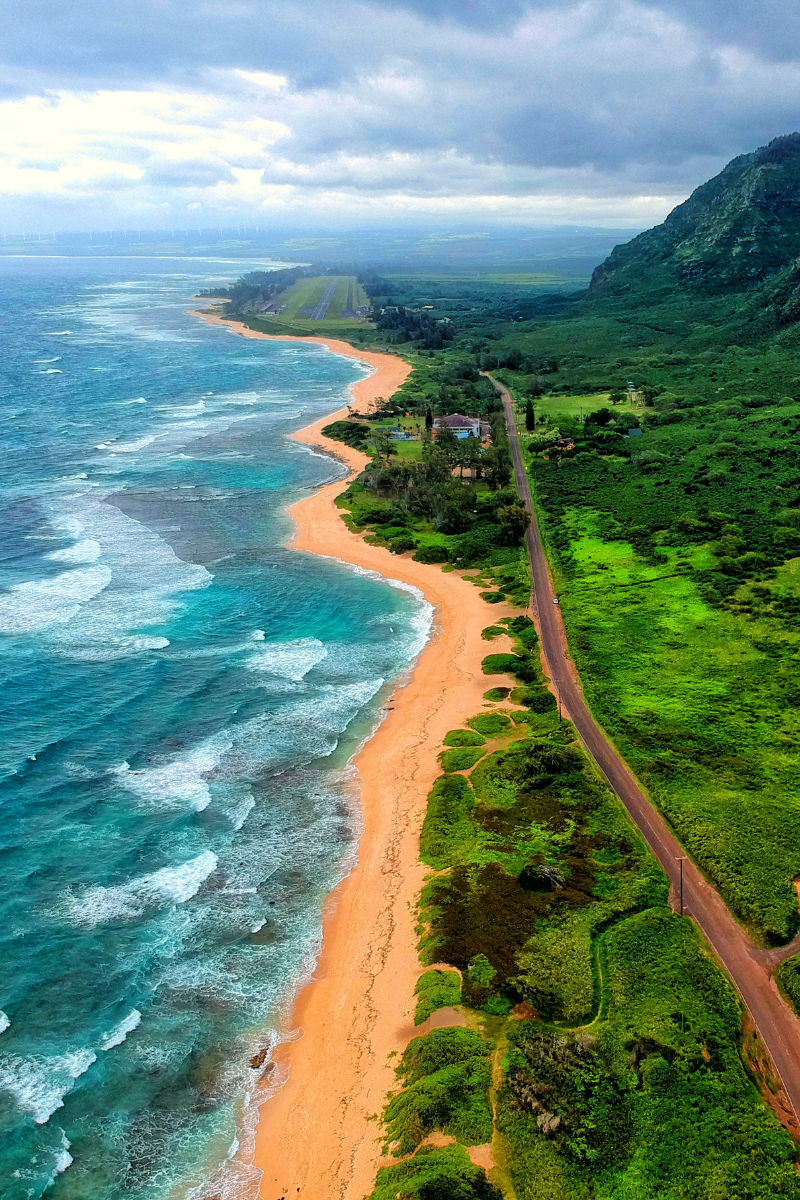
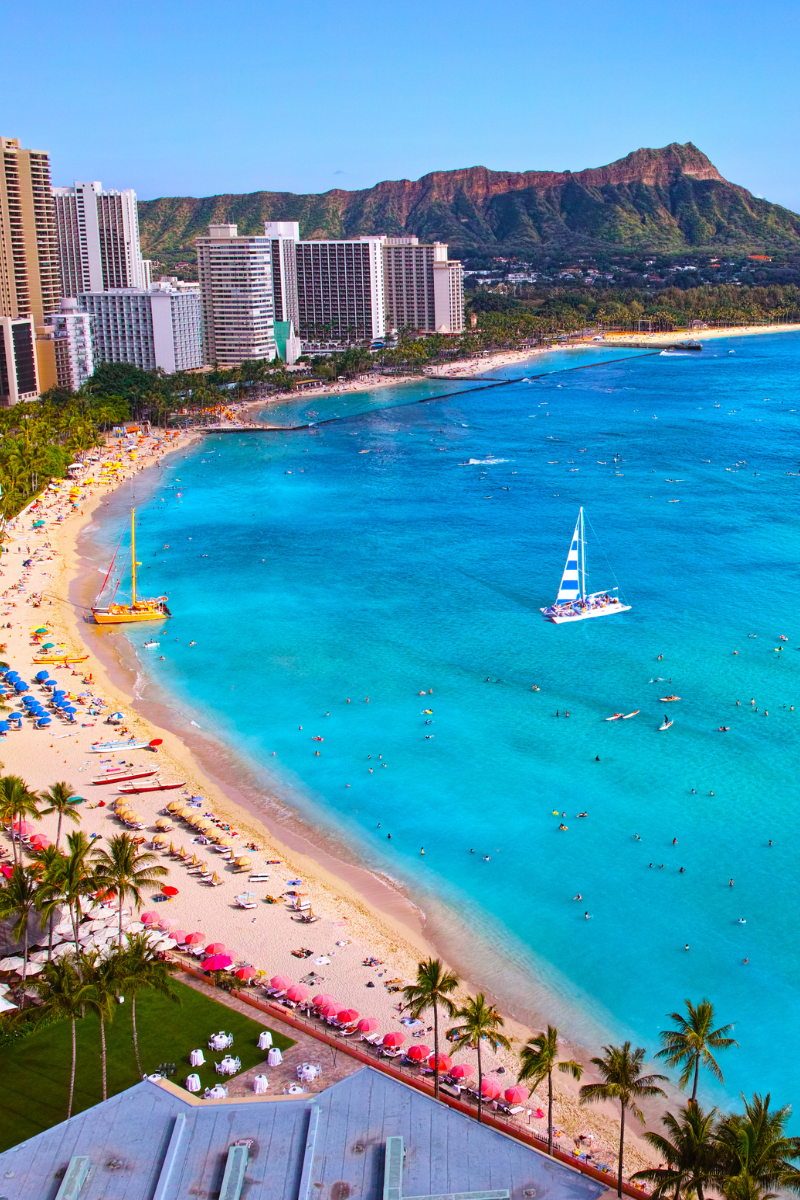
Oahu is a strong starting point when you want beaches alongside restaurants, shopping and historical experiences. Waikiki can suit travelers who enjoy having plenty around them, while other parts of Oahu offer a different pace.
Consider Oahu if your priorities include:
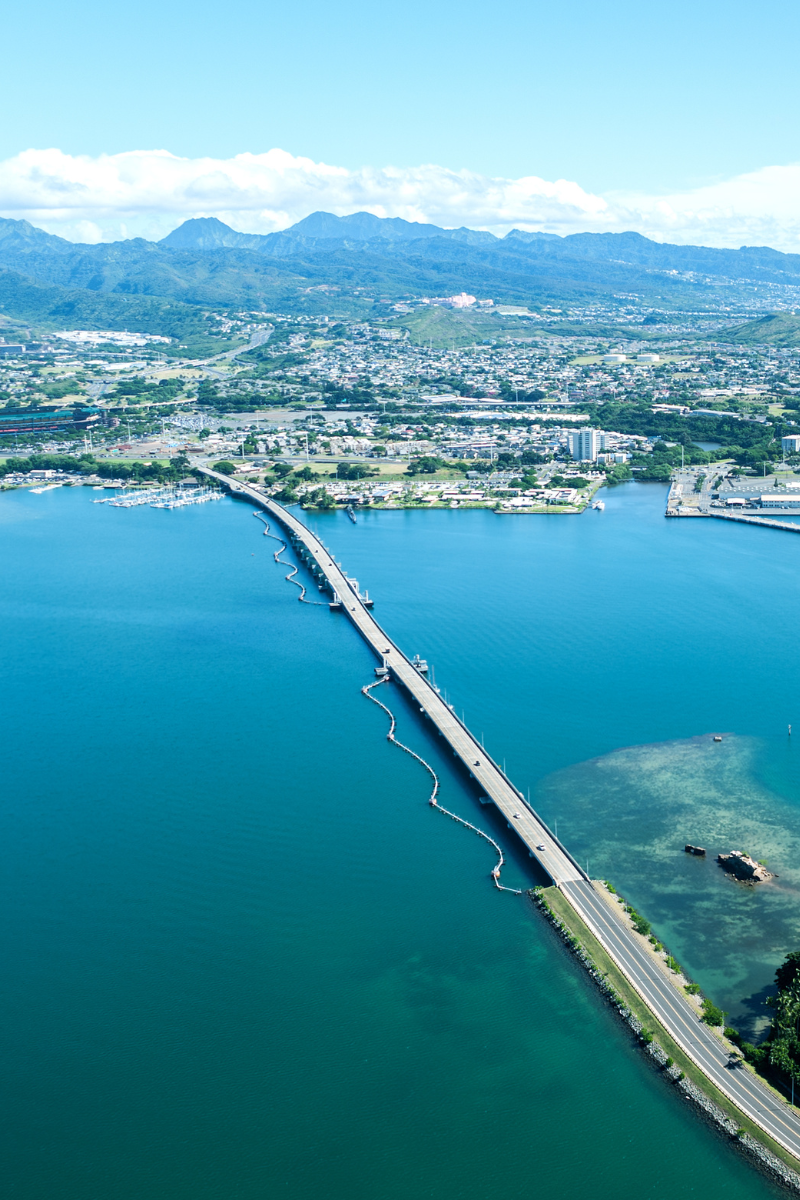
Pearl Harbor and history.
Dining, shopping and evening activity.
Waikiki, the North Shore or a mix of beach areas.
A stay with some walkable days, depending on your hotel.
I choose the area before deciding whether you need a rental car for the whole visit. A Waikiki stay and a vacation based elsewhere on Oahu can require very different plans.
Maui: beach time and scenic exploration
Maui often suits couples and families who want time at a resort plus a few memorable days out. The Road to Hana and Haleakala can be part of that balance when your schedule allows.
Choose Maui for beach and pool days alongside sightseeing.
Allow time for scenic drives rather than filling every day.
Choose your hotel area around the experiences you care about.
For a different pace, consider a stay in Hana as part of a longer Maui visit. Changing regions can create variety without adding an interisland flight.
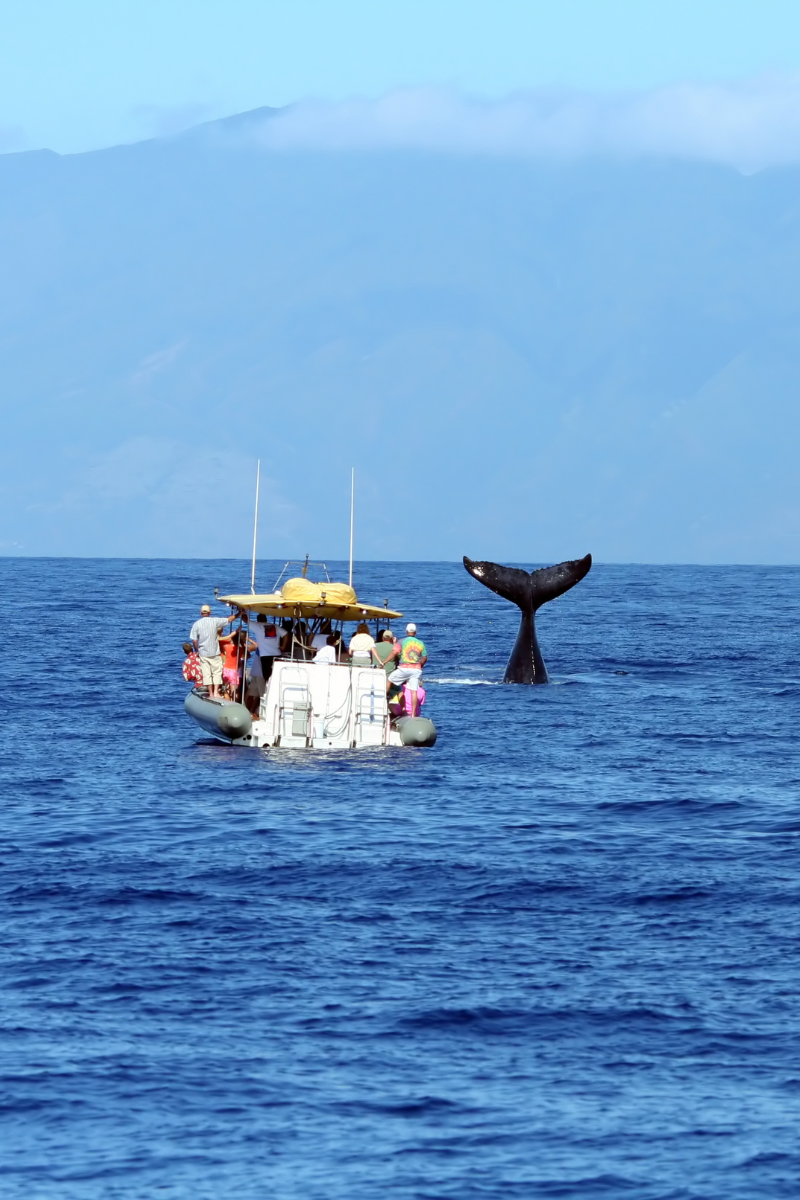
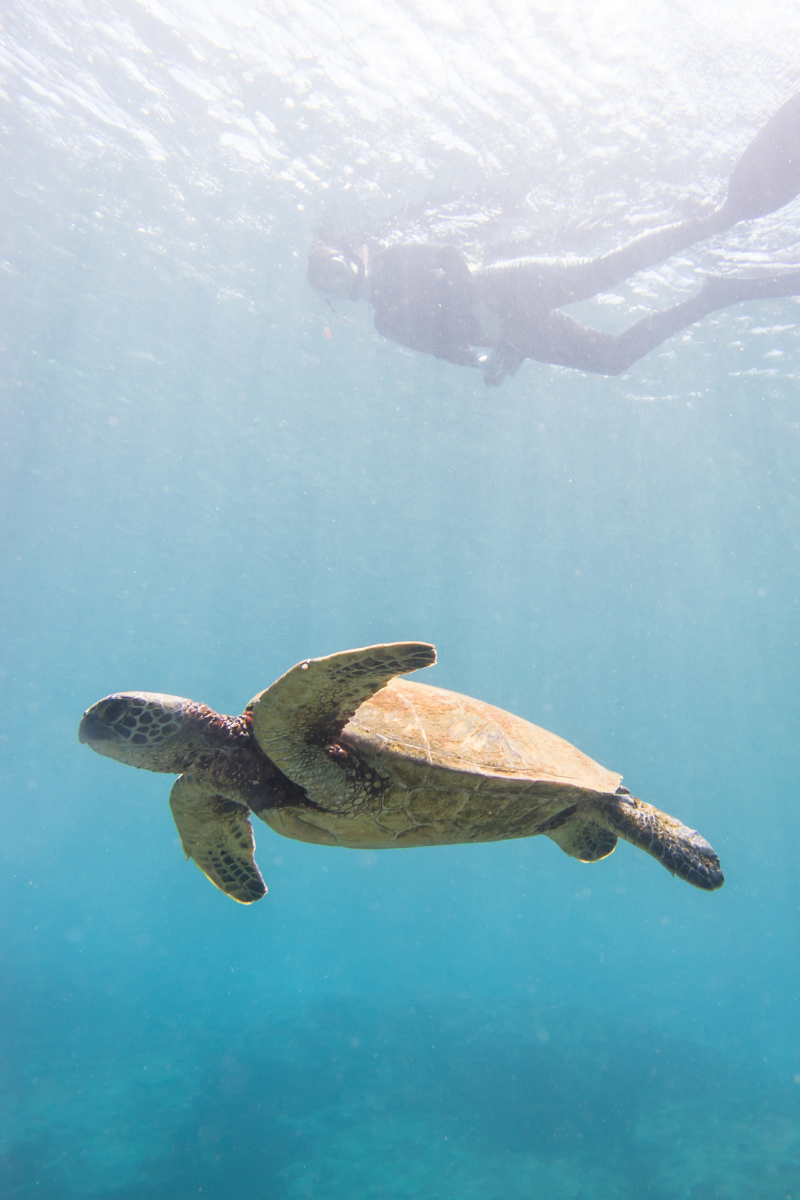
What my Road to Hana trip taught me
I chose a private Jeep experience because flexibility mattered to me. During the trip, I mentioned that I had never seen Haleakala Crater, and my driver adjusted our plans to include it. I tipped him for the additional time.
That was my experience, not a promise that every itinerary can include the same detour. What made it valuable was having a day shaped around my interests. I help clients weigh that kind of flexibility against cost and travel time.
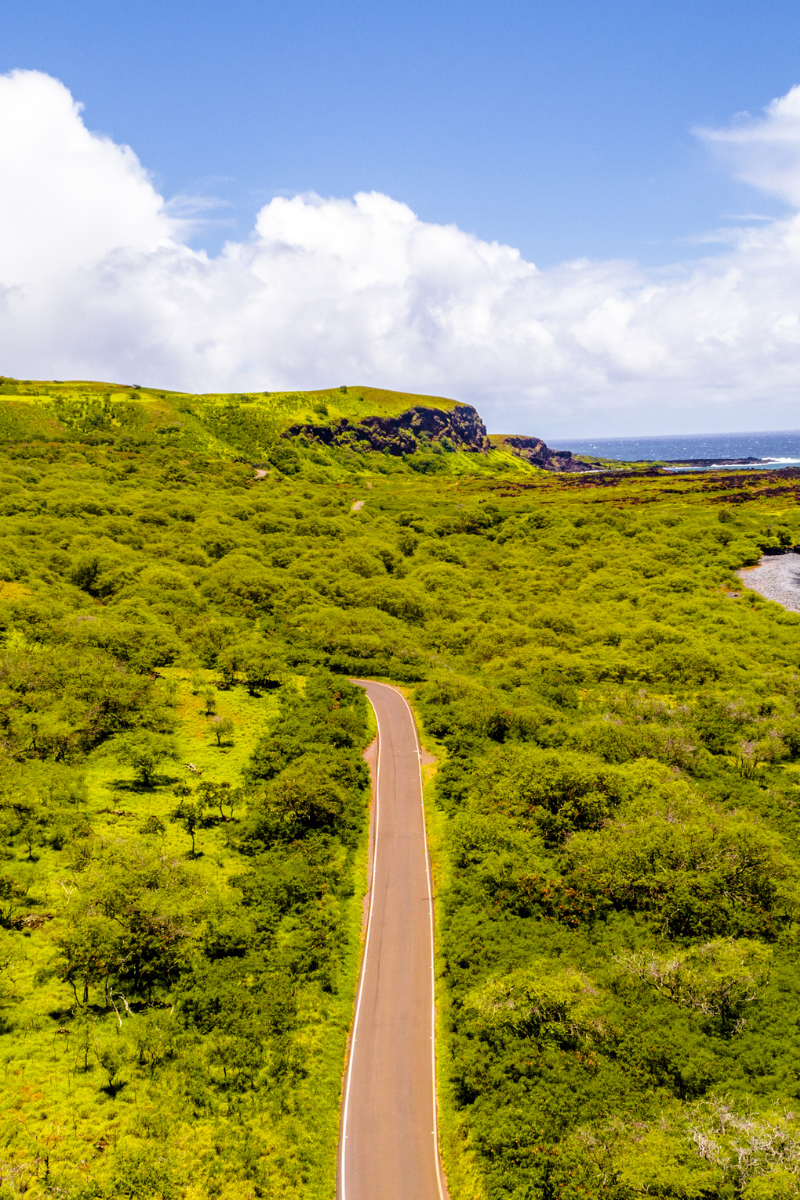
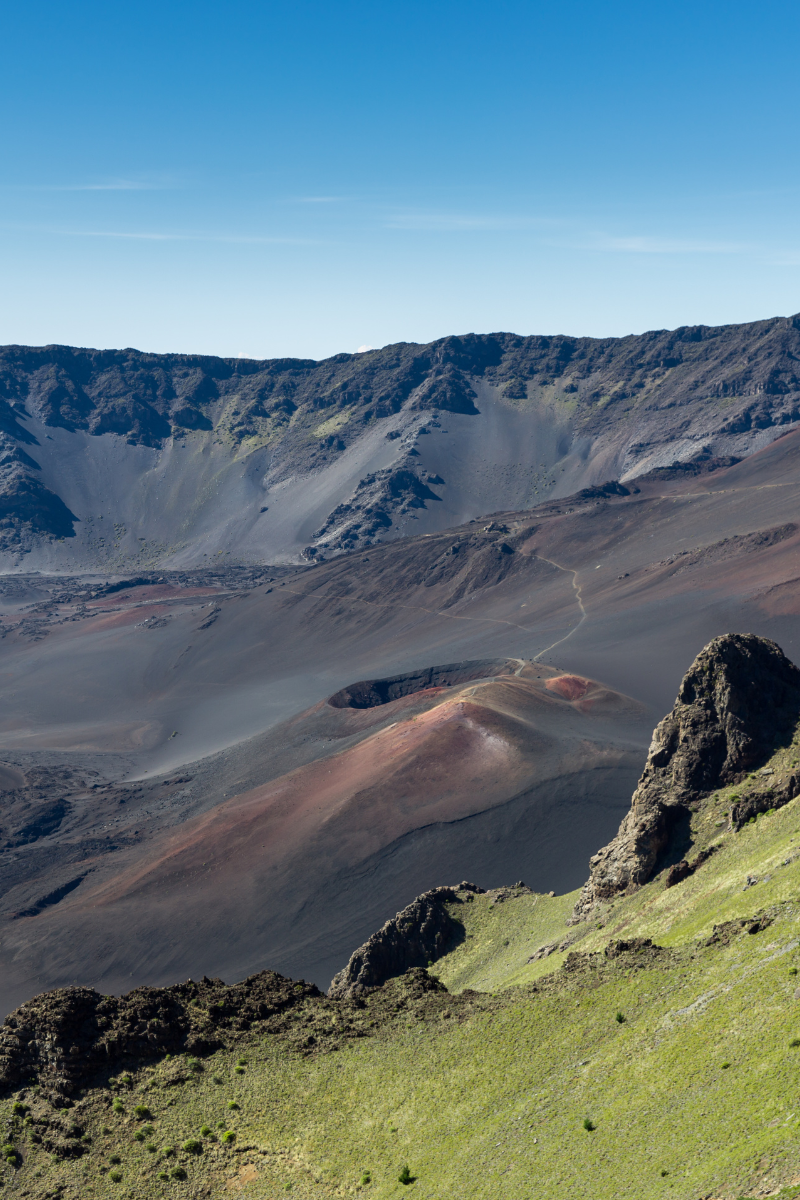
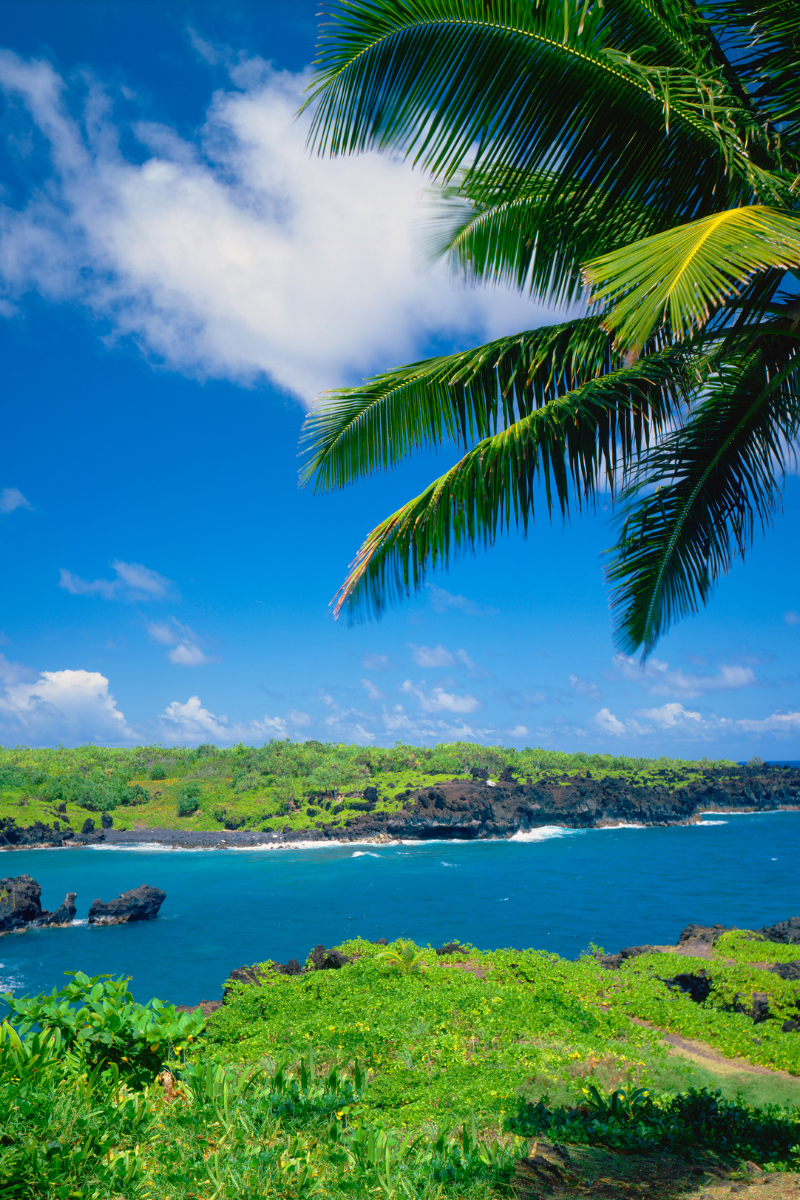
Embarking on the legendary Road to Hana, where every winding turn reveals sweeping vistas of Maui's lush coastal hills and the deep blue Pacific.
Kauai: scenery and a quieter rhythm
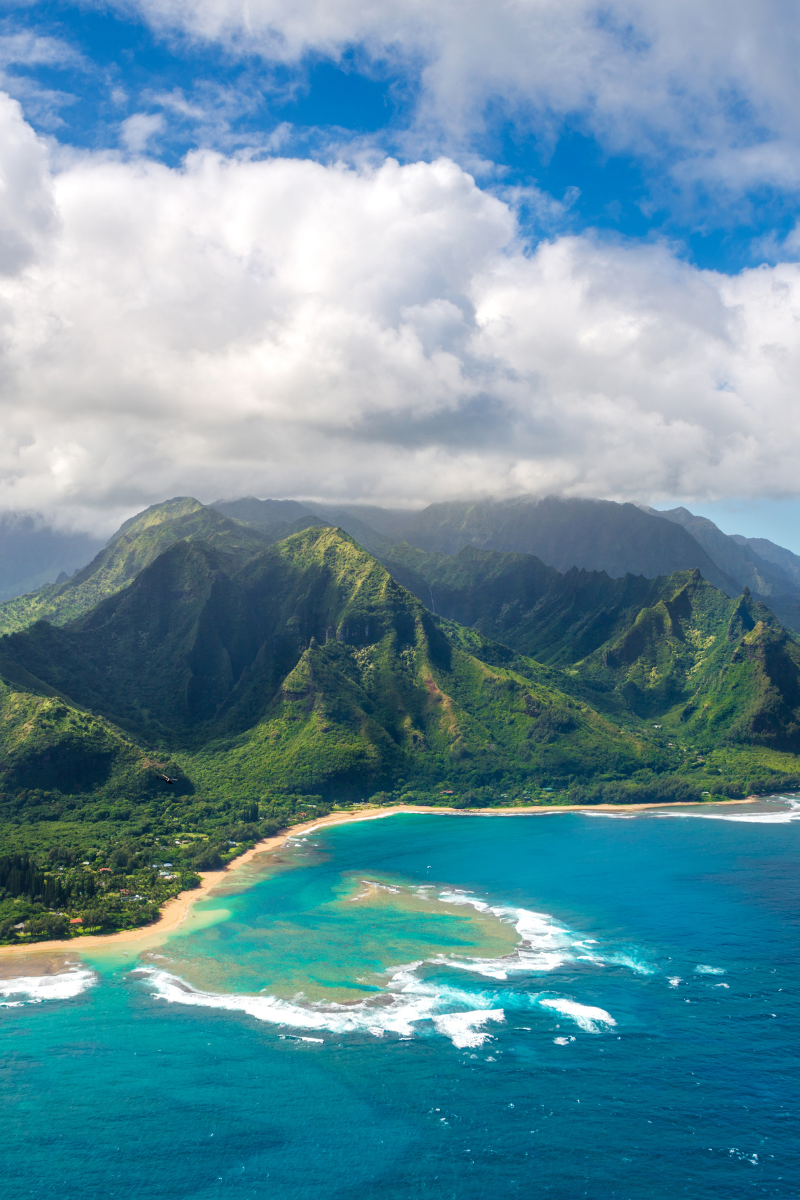
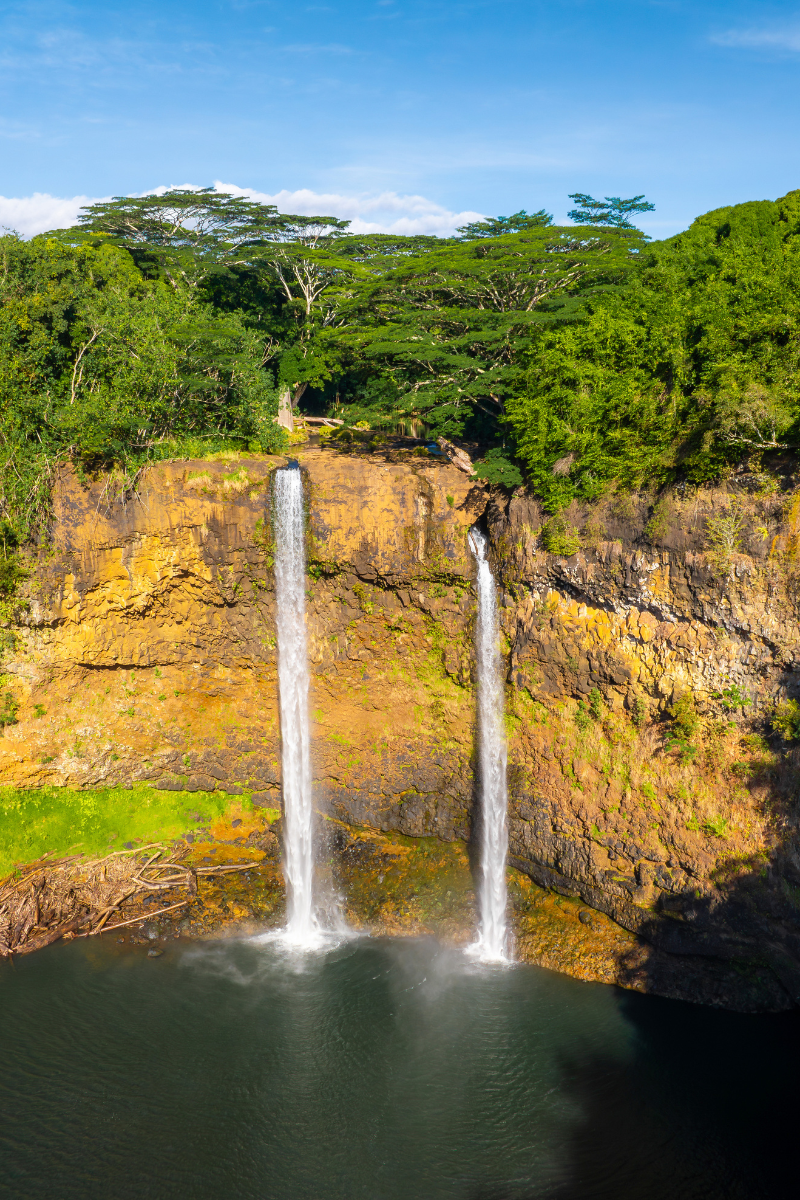
I consider Kauai for travelers drawn to green mountains, waterfalls, coastal scenery and time outdoors. It can suit a vacation with fewer evening plans and more room to enjoy the setting.
Nature and scenic drives are central to your trip.
You want to explore places such as the Na Pali Coast.
You are happy with a quieter pace between activities.
Your base matters. The north and south sides offer different experiences, and I consider the season, current access and driving time when planning. Check local conditions and any required reservations before setting out.


The Island of Hawaii: variety and room to explore
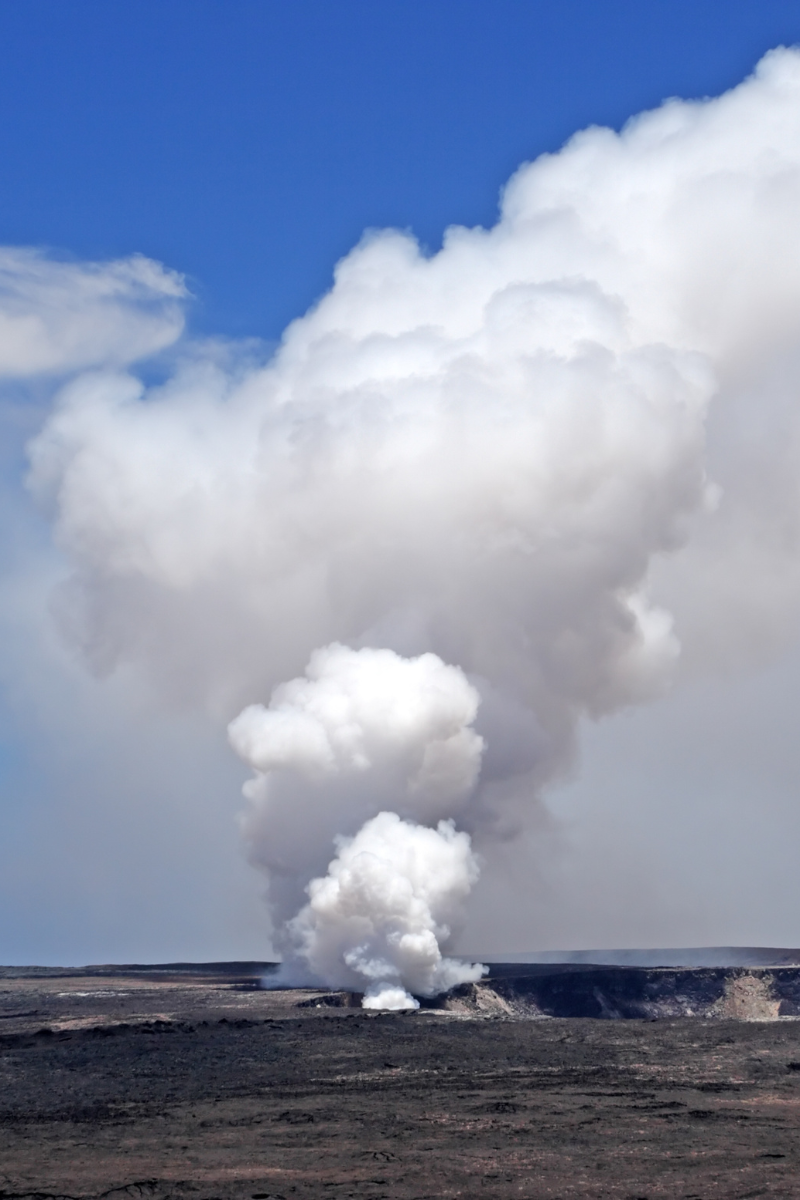
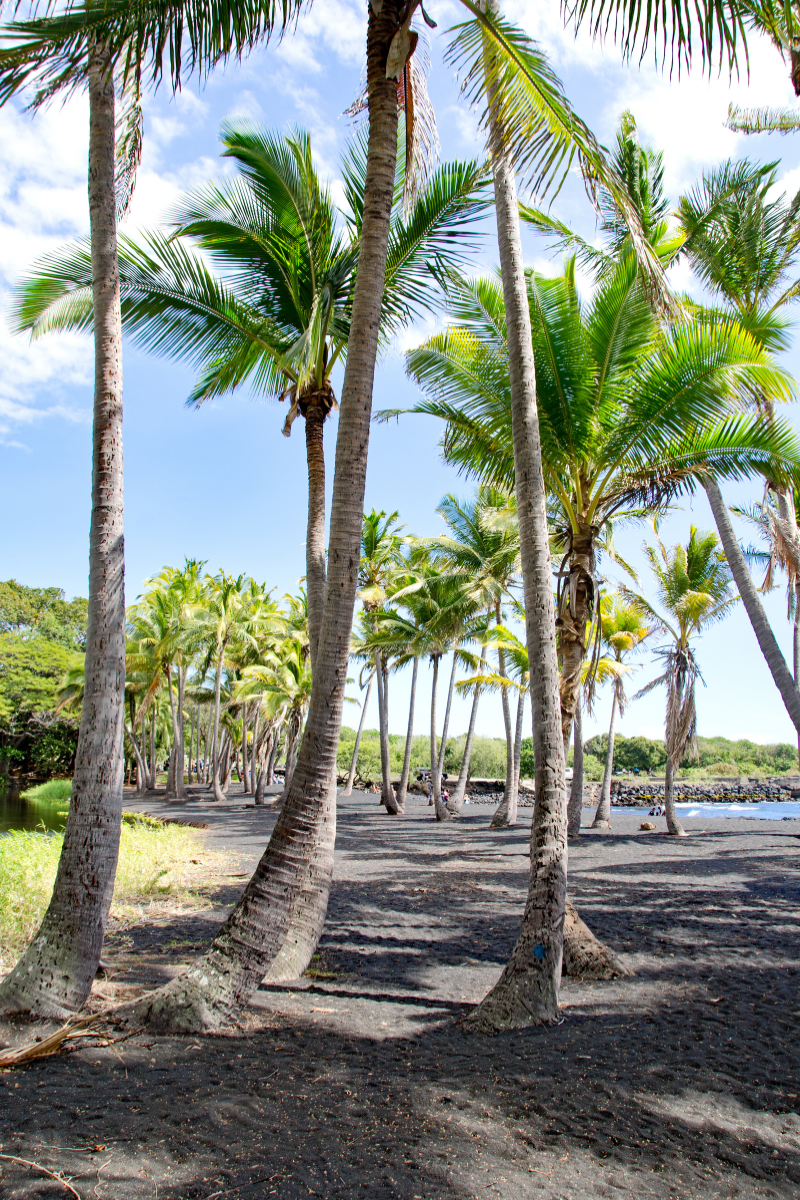
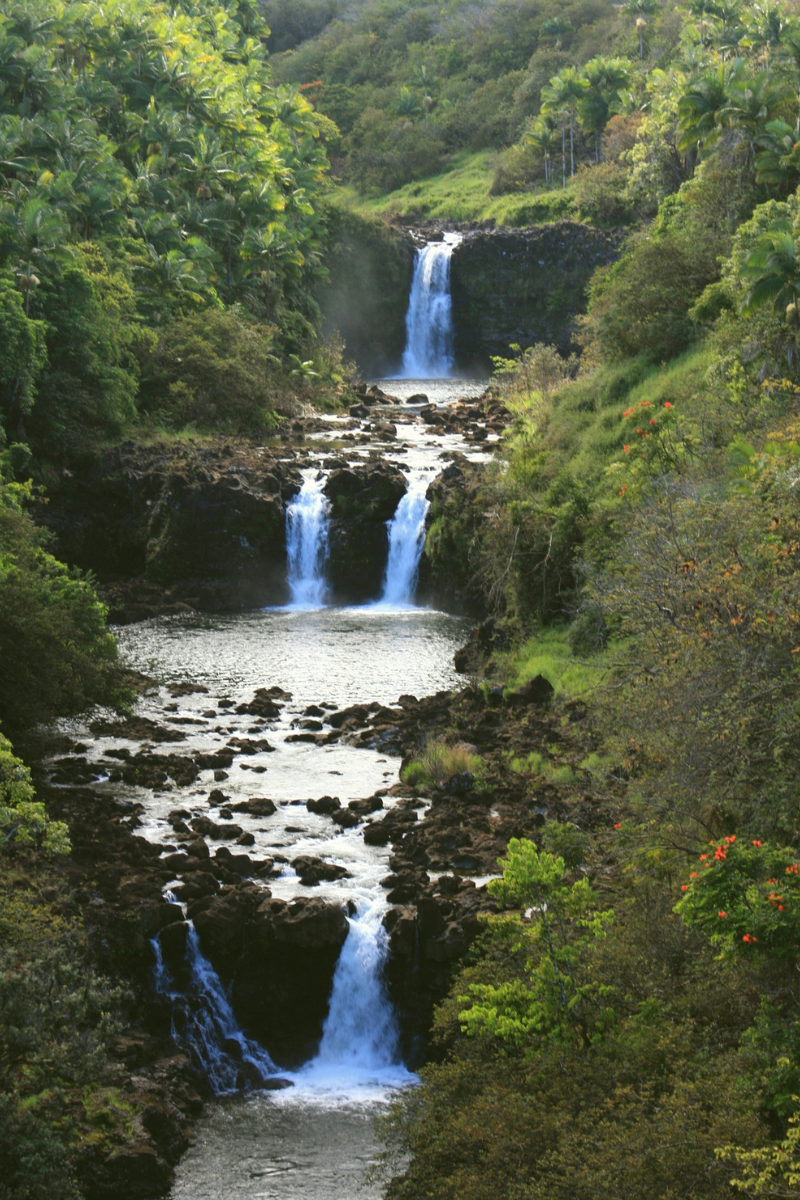
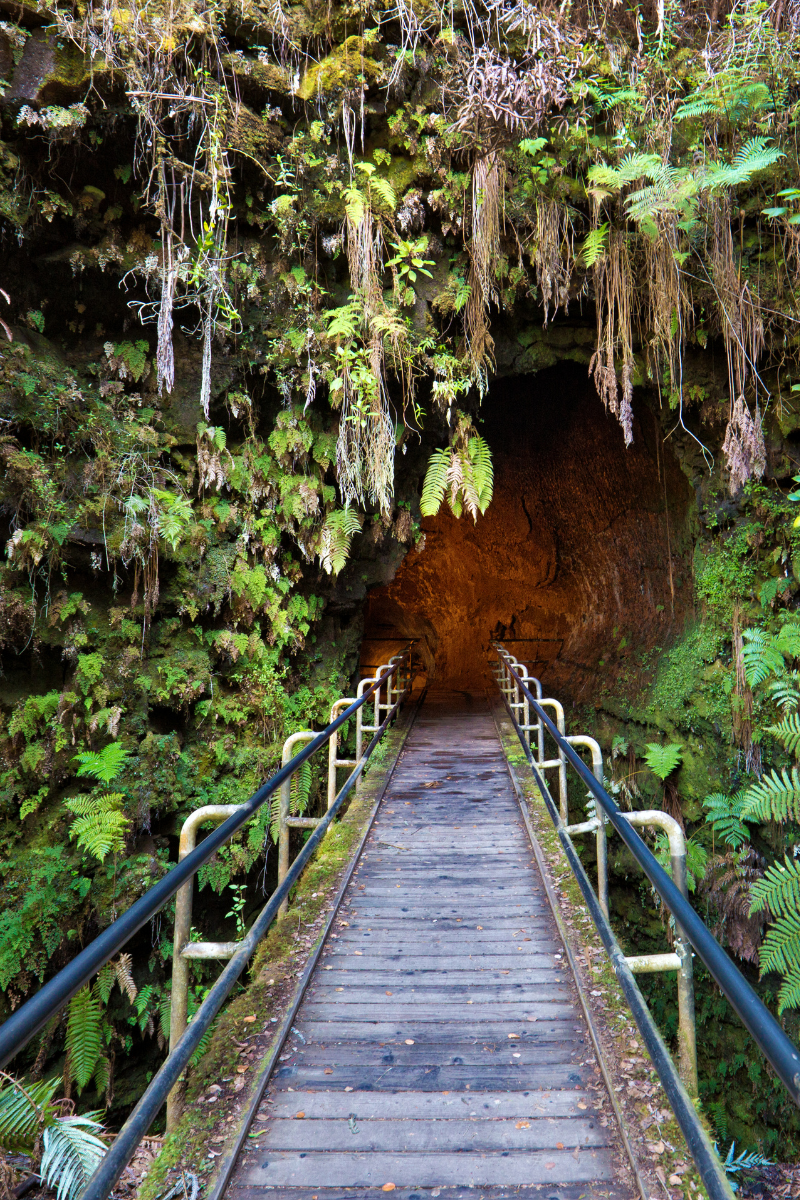
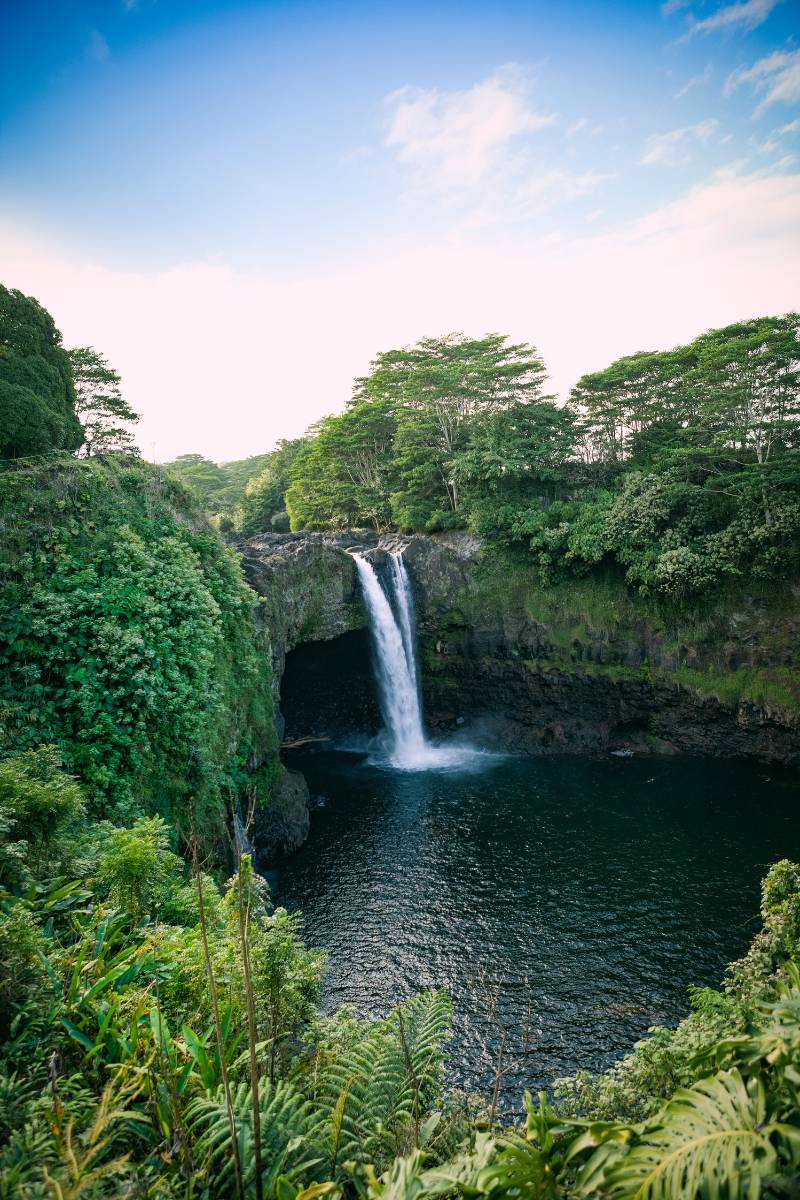
The Island of Hawaii, often called the Big Island, appeals to travelers who want contrasting landscapes. Coffee country, lava landscapes, waterfalls and the coast can create a varied itinerary.
Hawaii Volcanoes National Park interests you.
You enjoy scenic drives and outdoor experiences.
You want time to explore beyond your resort.
Distances are a major planning consideration. I map the places you want to visit before choosing a hotel. A split stay may make sense when it reduces repeated long drives. Park conditions and access should be checked close to your visit.


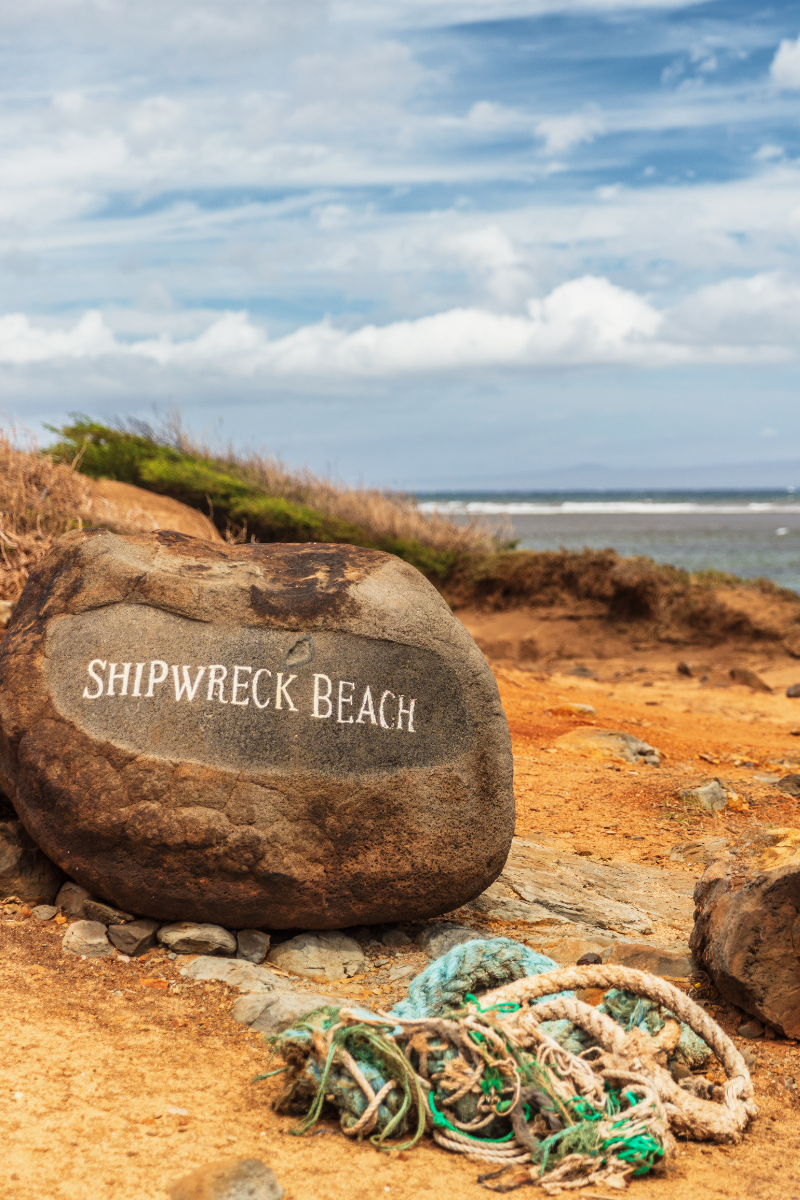
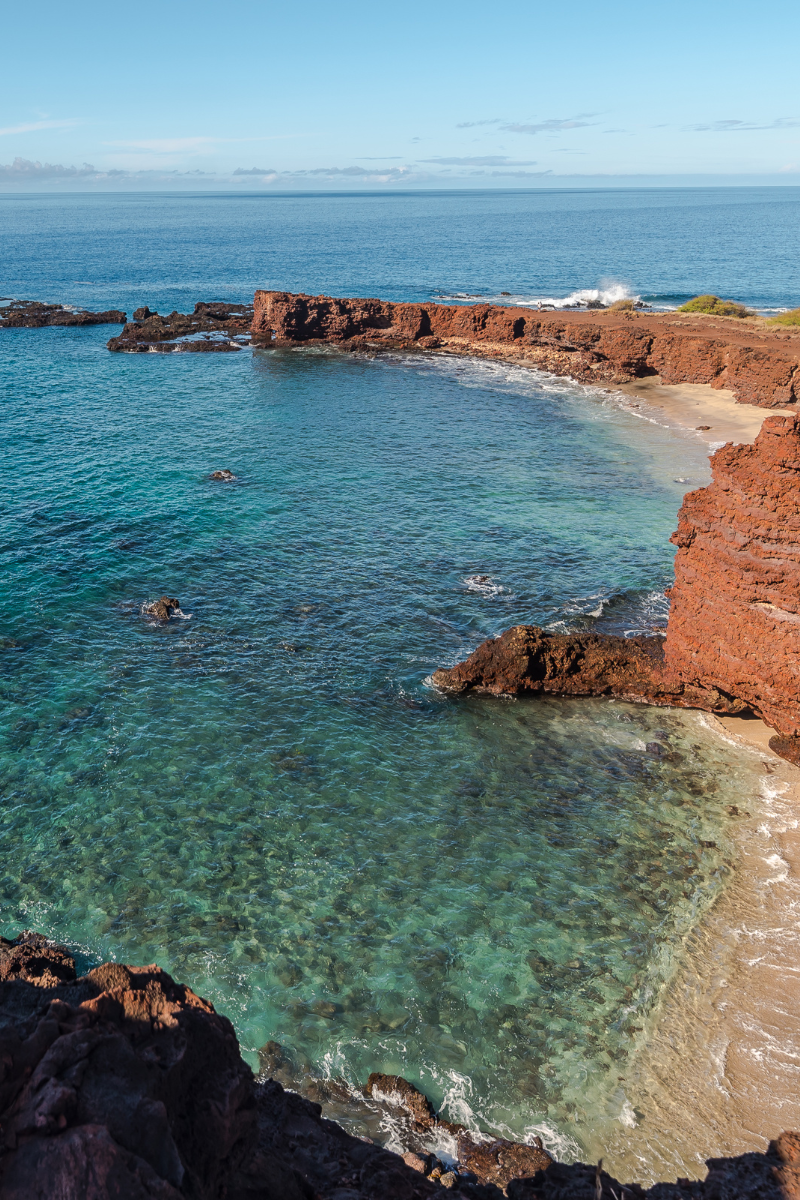
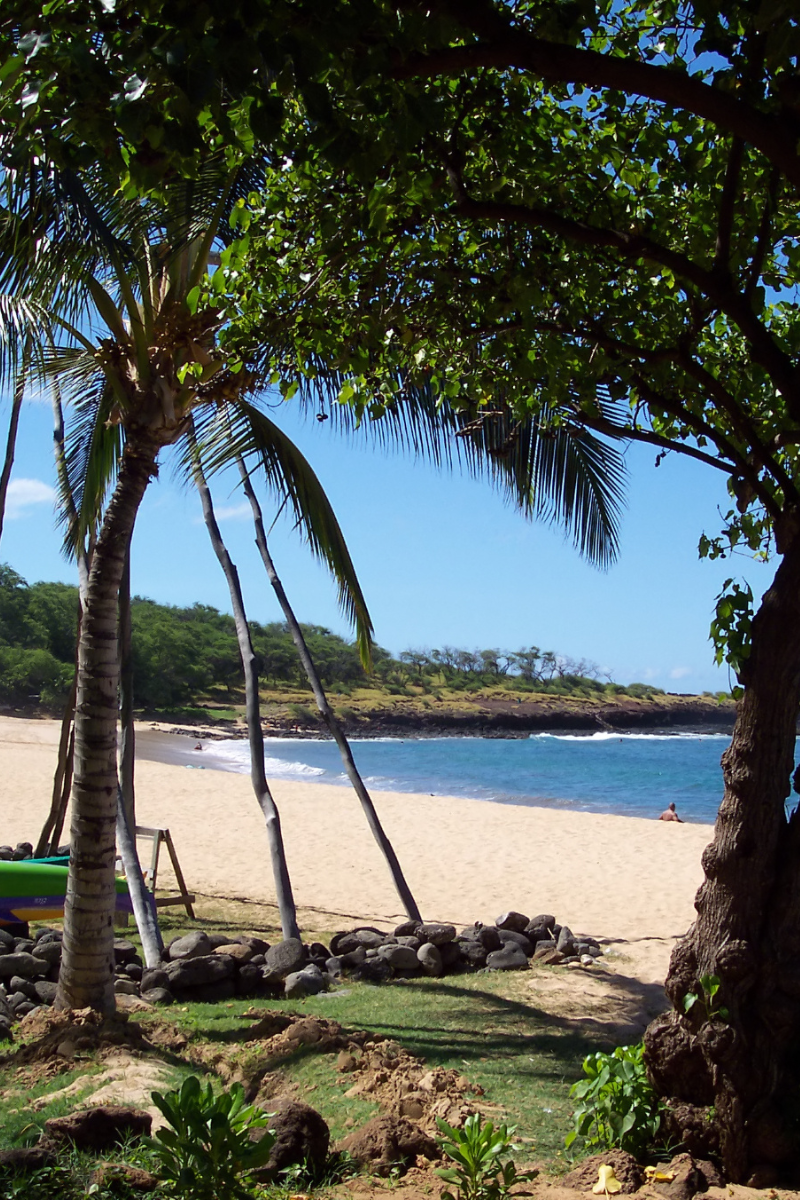
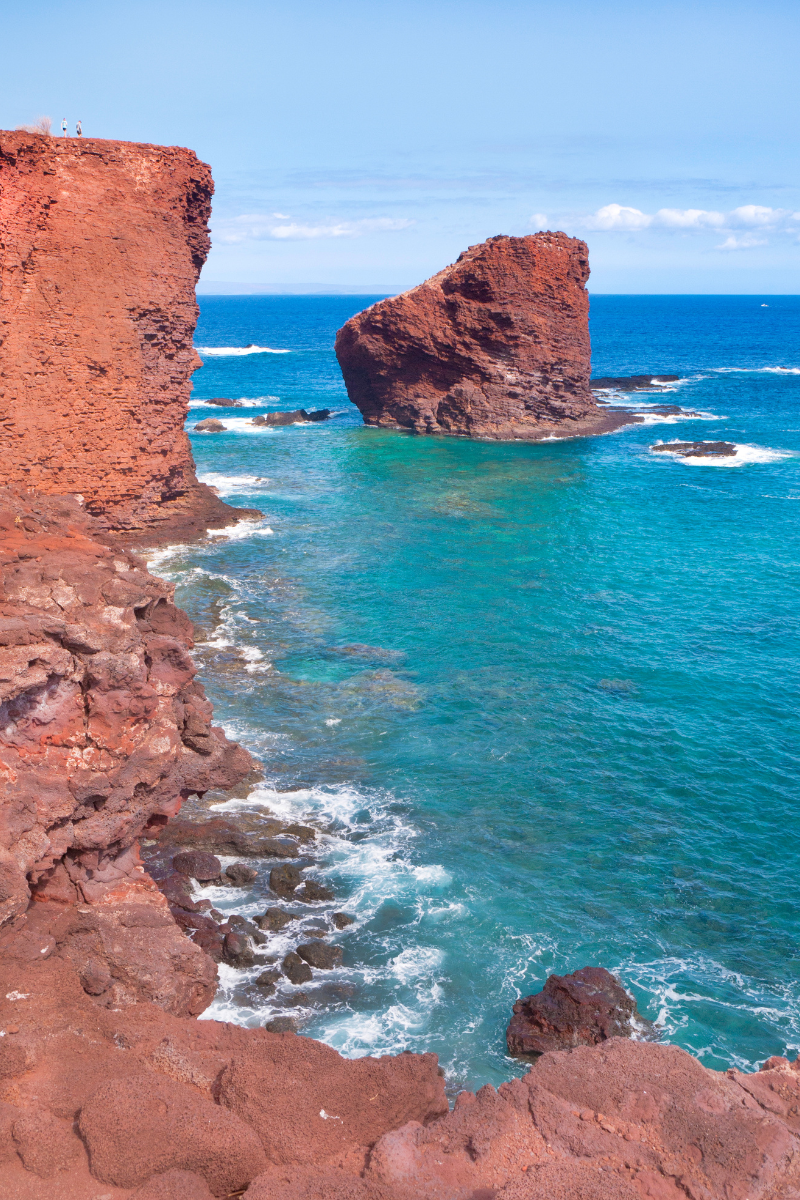
Lanai: a quiet, personal stay
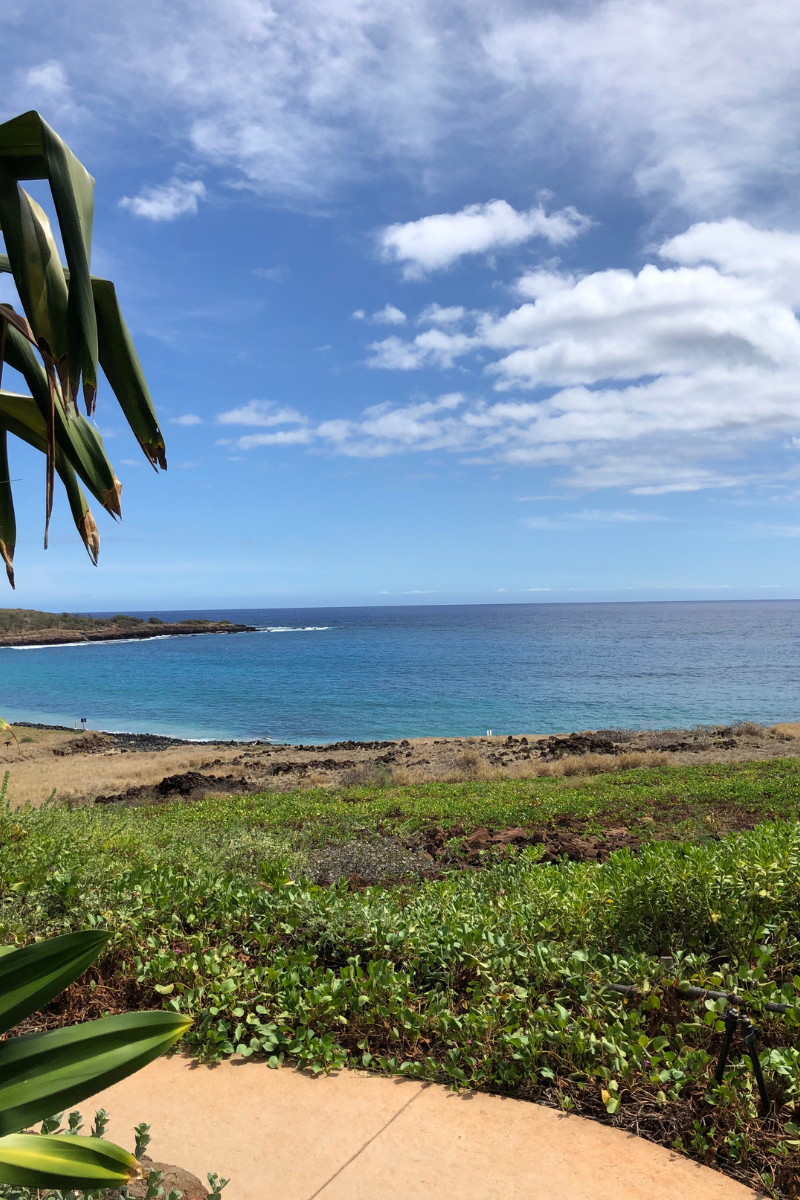
Lanai is an option I consider for travelers who want a secluded resort stay and a slower schedule. It can be a lovely choice for a honeymoon, anniversary or restful ending to a longer vacation.
Quiet and personal service matter more than a long sightseeing list.
You want generous time to enjoy your hotel and surroundings.
You are considering a contrast to a more active Maui stay.
I look at your accommodation, transportation and budget together. A peaceful setting works best when the practical details are settled before you arrive.
Should you choose more than one island?
A second island makes sense when it adds something you truly want. It also adds packing, hotel changes, transportation and time in transit.
My usual starting points are five nights for one island, at least seven nights for a carefully planned pair, and roughly 10 to 14 nights when considering three. These are planning guidelines, not a reason to fill every available night with another stop.
One island for a week can be an excellent vacation. Let your priorities and flight times decide whether moving adds enough value.
Island combinations to consider
Think about the contrast between the two stays, then allow enough time to enjoy both.
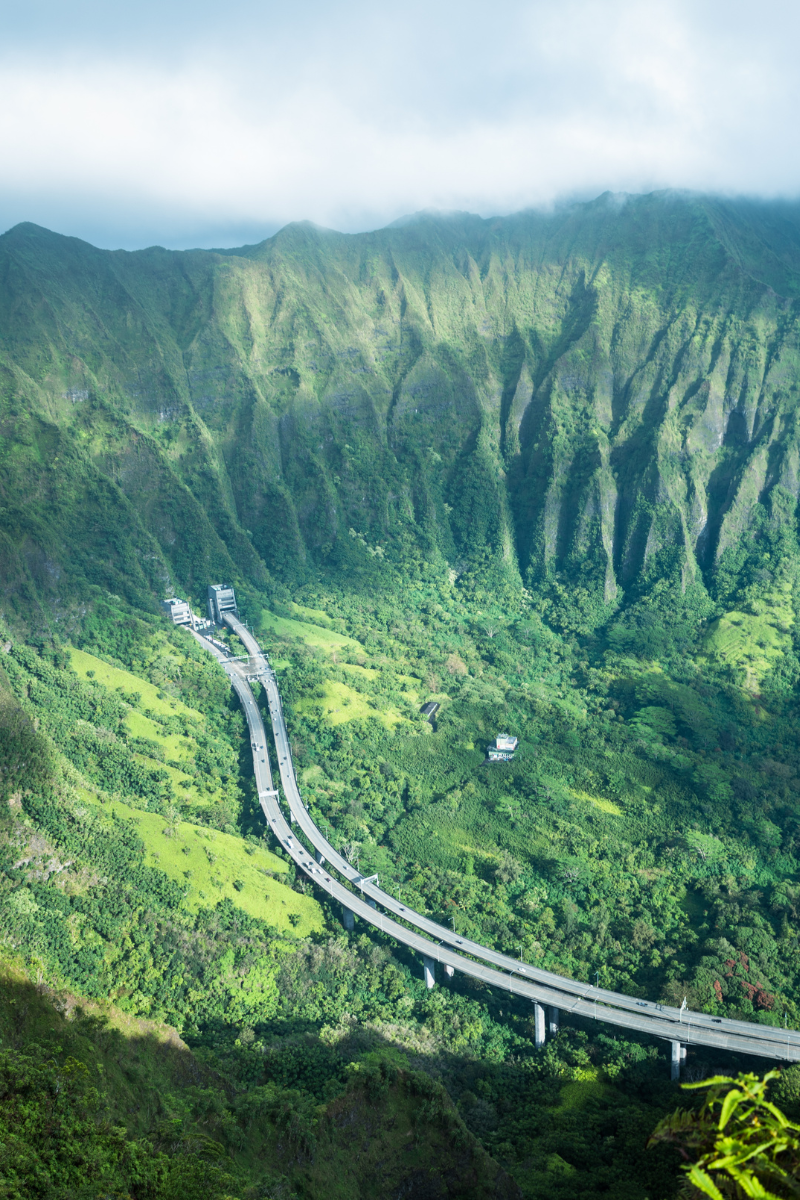
The iconic vantage point from along the Haiku Stairs (Stairway to Heaven) ridge, looking down on the H-3 highway as it winds through the fluted, emerald cliffs of Oahu's Koʻolau Mountains.
Oahu and Maui
A combination for travelers who want Pearl Harbor, dining and Waikiki followed by Maui beach time and scenic exploration. A short Oahu stop needs a focused plan; allow longer if you want to explore more of the island.
Oahu and Kauai
Consider this pairing for a lively beginning followed by a quieter stay centered on scenery and nature.
Maui and Kauai
This pairing can suit travelers who want resort time, coastal scenery and outdoor activities across two different settings.
Maui and the Island of Hawaii
Consider this combination for varied landscapes and exploring by road. Protect enough time on each island so the trip feels like a vacation rather than a series of long drives.
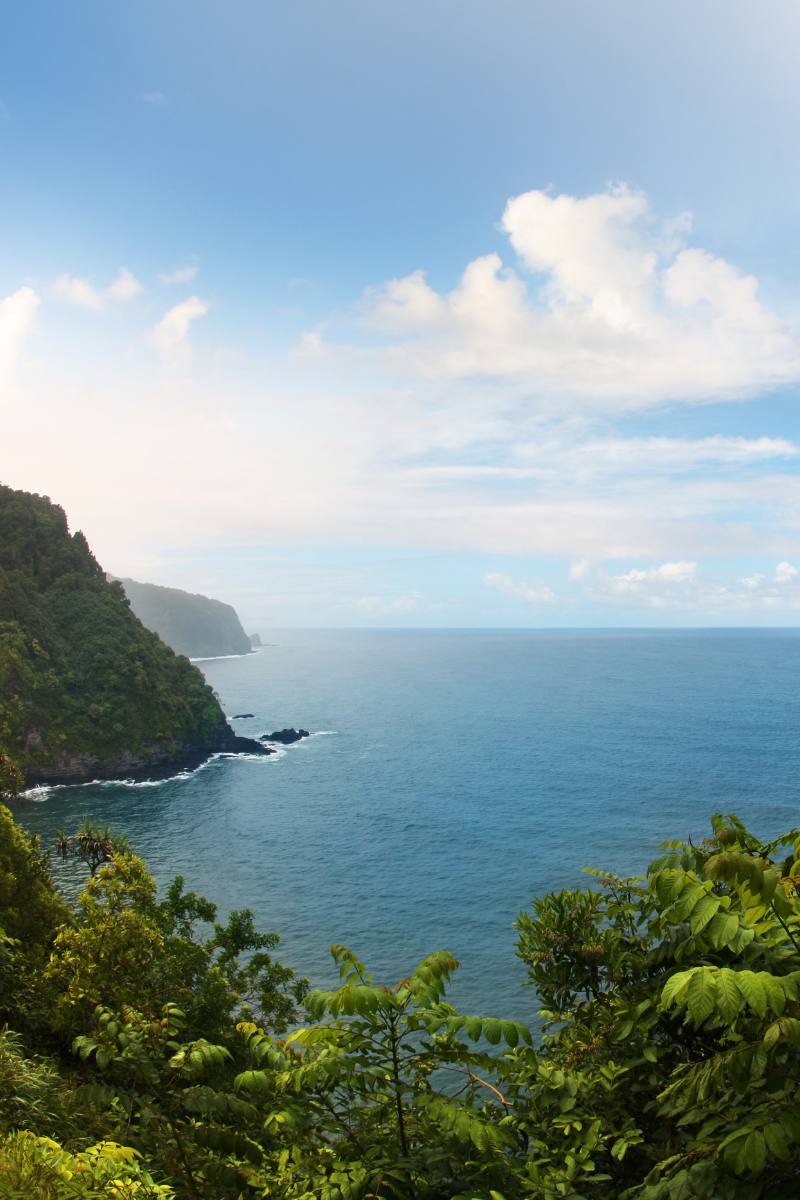
Discover breathtaking coastal viewpoints and lush jungle cliffs along Maui's iconic Road to Hana scenic drive.
Kauai and the Island of Hawaii
A nature-focused pairing for travelers interested in coastal scenery, waterfalls and volcanic landscapes. Build the route around the activities and access available for your dates.
Maui and Lanai
Begin with Maui sightseeing and beach time, then consider a quieter Lanai stay. I would plan the transfer and the length of each stay before choosing the hotels.
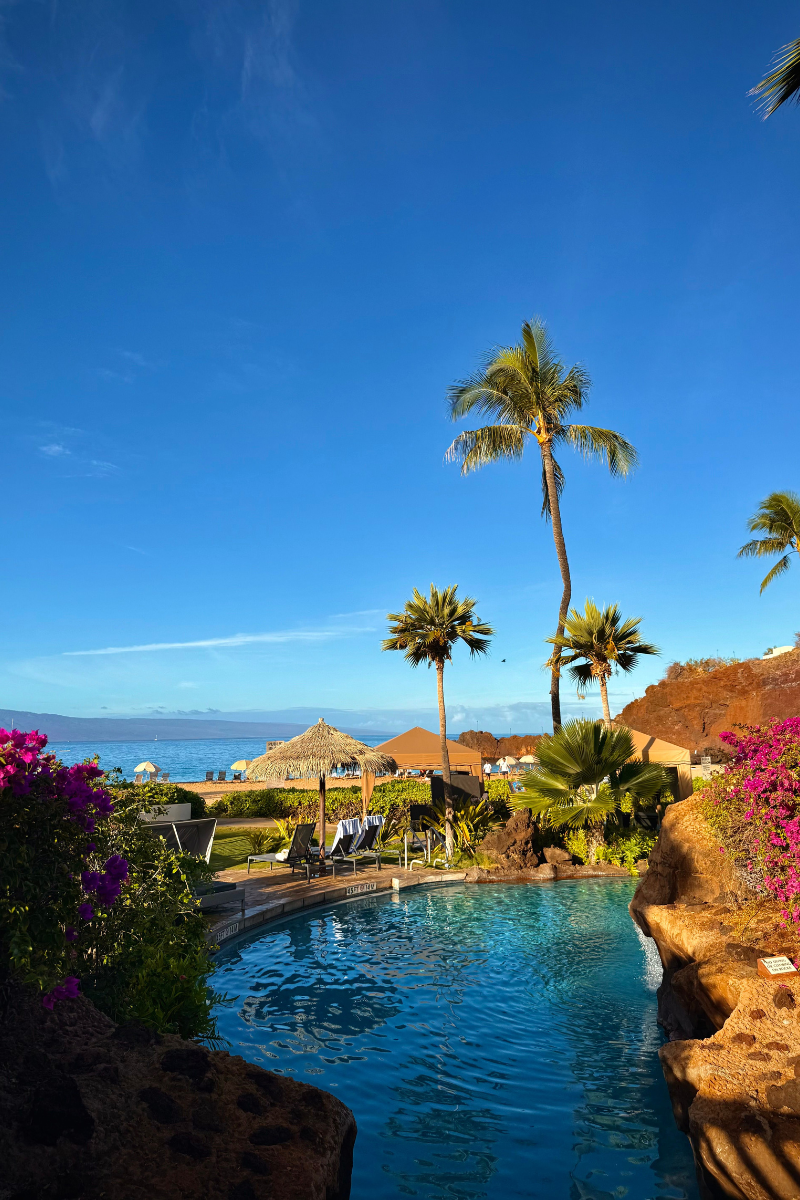
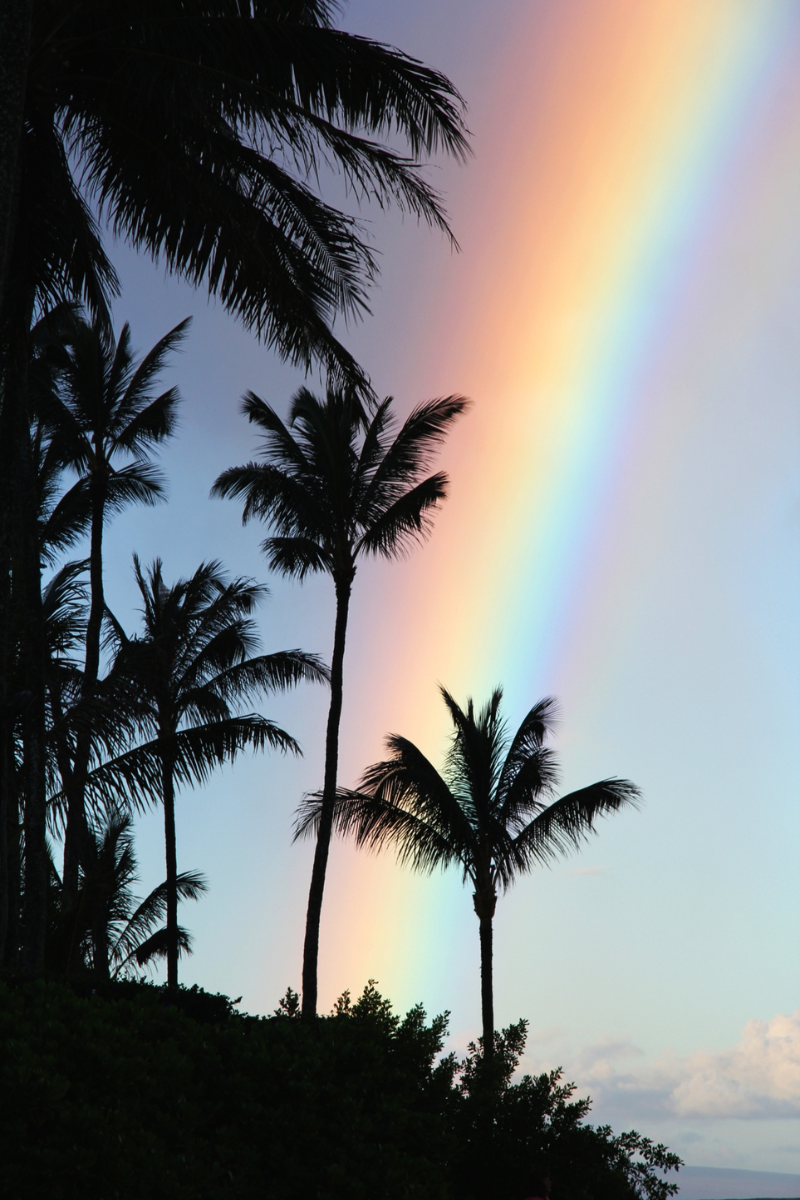
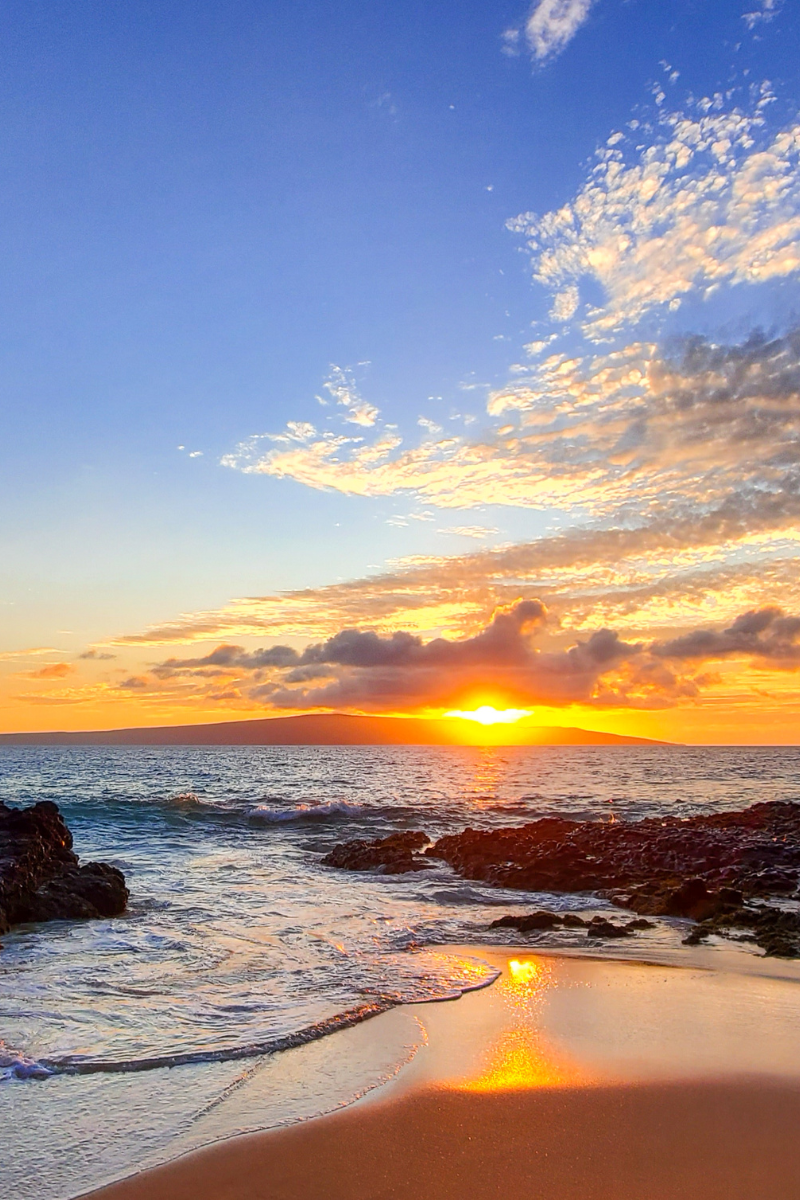
Relax in paradise with luxury oceanside pools, swaying palms, and golden beaches along West Maui's sunny coast.
A split stay can create variety on one island
You may not need another flight to change the feel of your vacation. On Maui, a resort stay and time in Hana can offer distinct experiences. On the Big Island, staying in two regions may reduce repeated driving.
A split stay still means packing and checking into another hotel. I recommend it when the change gives you something useful: more time in a place you love, a different setting or a more comfortable route.
Which island is best for a first visit?
Start with the experiences you most want. Oahu may fit a trip built around history, dining and variety. Maui may fit a balance of resort time and exploring. Kauai and the Big Island are worth considering when scenery and outdoor experiences lead your list.
There is no requirement to start on a particular island or to see everything on one trip.

Morning strolls through paradise, where every pathway leads to unforgettable mountain views.
Choose the vacation, then choose the island
My visits to these five islands help me understand the differences beyond a list of attractions. Your trip should still reflect your priorities, not mine.
Before we narrow the options, I ask about your dates, departure city, budget, preferred pace and the experiences you would be disappointed to miss. Those answers guide the island choice, hotel location and number of nights.
Sometimes the answer is one island with plenty of time to settle in. Sometimes it is a carefully chosen pair. The goal is a trip you enjoy while you are there.
Start planning your Hawaii vacation
Schedule a complimentary discovery call to discuss which island and itinerary fit your travel style.
Explore my Hawaii travel page and my guide to how much a Hawaii vacation costs as you begin planning.