
When Is the Best Time to Visit Iceland?
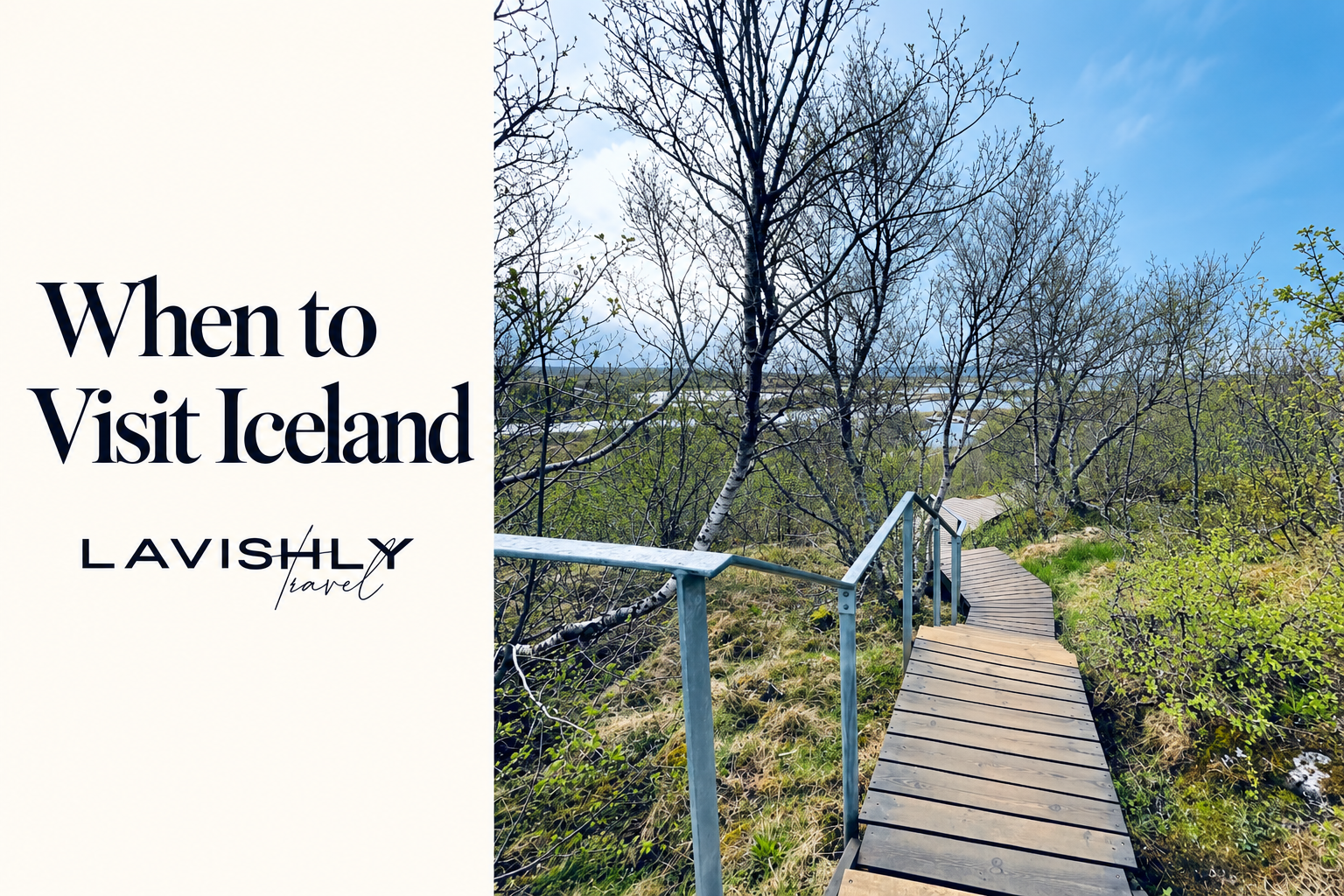
The best time to visit Iceland depends on the trip you want to have. Long summer days and an itinerary built around the Northern Lights are two different vacations, and choosing the season first can save a great deal of frustration later.
I begin by asking what matters most: time outdoors, a broader touring route, winter scenery, quieter evenings, or the possibility of the aurora. Then we match your dates, number of nights, and comfort with driving to those priorities.
A Quick Way to Choose Your Season
For long sightseeing days: start by considering June through August.
For a chance of the Northern Lights: consider the darker part of the year, broadly September through April.
For a different balance of daylight and demand: compare spring or autumn dates, keeping weather and access in mind.
For winter atmosphere: plan a focused route with room for changes.
These are starting points, not promises about weather, prices, or sightings. Your itinerary should still be a wonderful vacation if nature changes the day's plan.
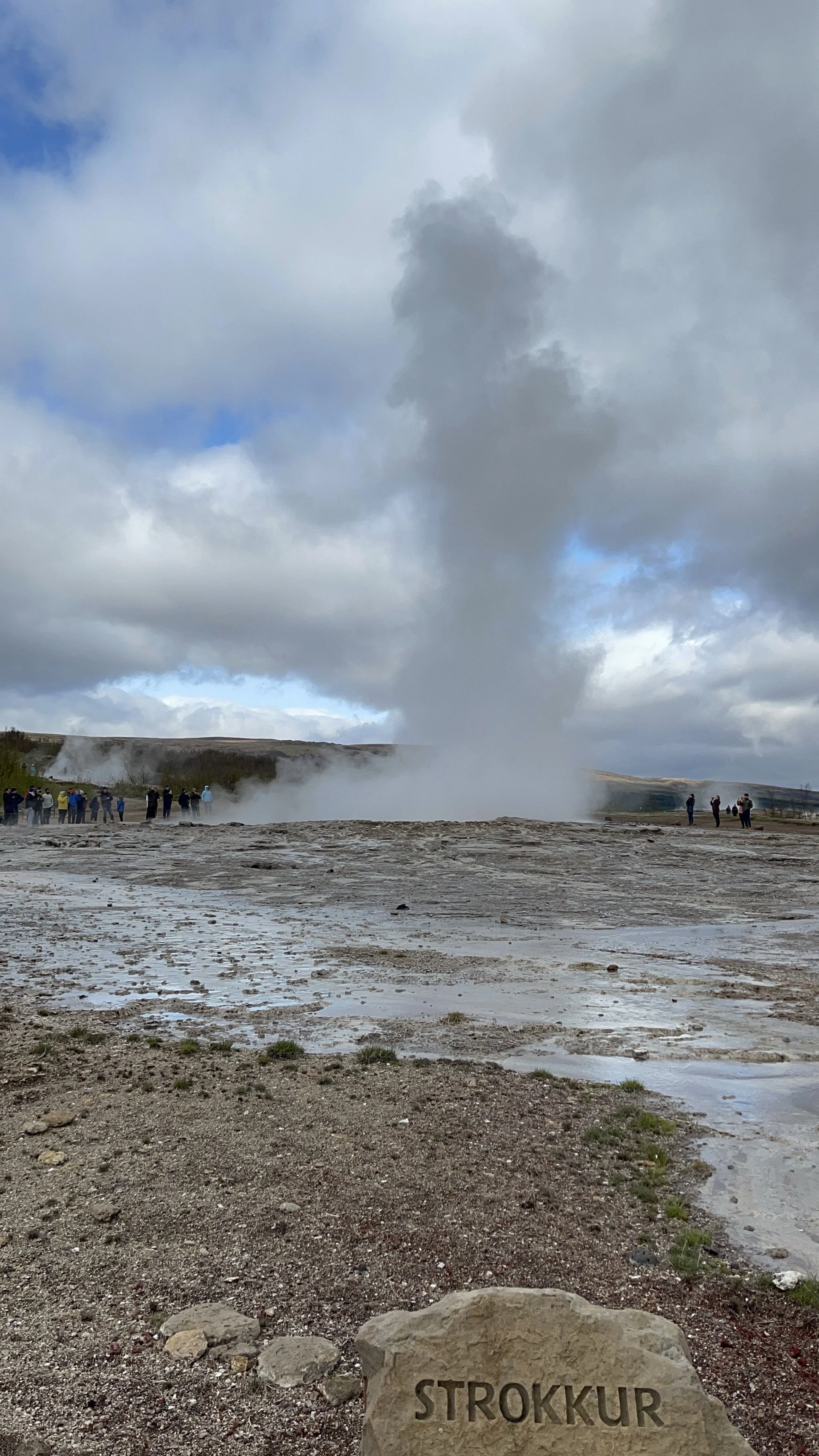
Summer: Long Days and More Touring Possibilities
Summer's extended daylight gives us more flexibility for sightseeing. It is the season I would first discuss with many travelers who want a broad introduction to Iceland or a longer road trip.
There is still a practical limit to how much belongs in one day. Long daylight does not mean you will want to spend every waking hour in a vehicle. I build in meals, time to enjoy the stops, and evenings when you can simply relax.
Summer is a popular travel period, so I recommend planning hotels, room configurations, and touring arrangements ahead. If your dates are fixed, starting early gives us more choice; it does not guarantee a particular rate.
Visit Iceland's summer guide offers an official overview of the season.
Autumn: Returning Darkness and Changing Conditions
September and October can appeal to travelers who want sightseeing alongside the possibility of a dark-sky evening. I would compare the specific dates and route carefully rather than treat both months as one predictable season.
As autumn progresses, daylight decreases and winter conditions can arrive. We keep touring distances realistic and avoid relying on a seasonal road or remote excursion without checking its operation for your dates.
I would not choose autumn solely because a headline calls it cheaper. The actual hotel and flight availability matters, along with the experiences you would be giving up or gaining.
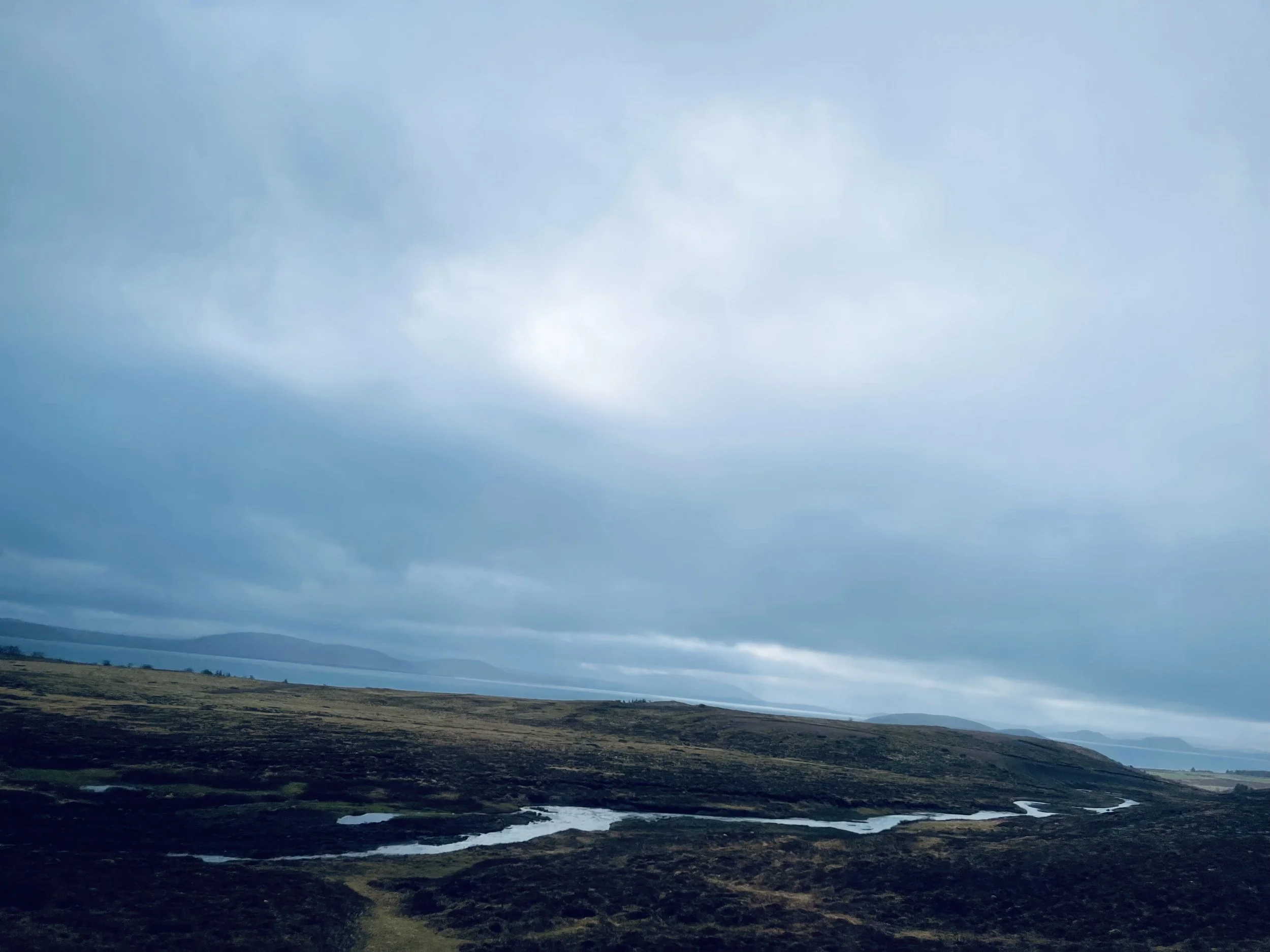
Winter: A More Focused, Flexible Vacation
Winter can be a beautiful choice for travelers drawn to snow-covered scenery, warm pools, and long evenings. It also calls for a different pace from a summer trip.
Short daylight and possible disruptions make a compact route more practical for many first-time visitors. I would discuss guided touring if you prefer someone else to handle the driving and daily logistics.
A guide cannot remove weather or road closures. Good planning gives us alternatives and avoids making the success of the trip depend on one particular excursion.
Spring: More Light, With Winter Still Possible
Spring brings lengthening days, but the change is gradual. March, April, and May do not offer identical conditions. Snow or difficult roads may still affect the route, especially away from the main touring areas.
For some travelers, spring offers an appealing middle ground. We can compare available experiences and your preferred pace, then confirm what is operating. A date on the calendar alone does not mean every mountain road or seasonal activity is ready.
See Visit Iceland's spring guidance when considering this season.
When Should You Go for the Northern Lights?
You need sufficient darkness, suitable sky conditions, and aurora activity. Visit Iceland describes the main viewing period as September through April. Seeing them remains a possibility, never an inclusion a travel plan can guarantee.
I prefer giving clients several evenings of opportunity and plenty to enjoy during the day. I would not build an entire short vacation around one aurora outing. Bright summer nights are a poor fit if seeing the Northern Lights is your main reason for visiting.
Read the official Northern Lights guide for the seasonal context.
Match the Month to Your Route
A summer route should not simply be copied into a winter itinerary. Before we decide on hotels, we consider daylight, driving comfort, available nights, and the places you most want to experience.
For the Highlands or other seasonal routes, opening dates and suitable transport need specific confirmation. For everyday touring, check SafeTravel's driving advice and current conditions throughout the trip.
Let’s Choose the Right Dates for You
Tell me what you want to experience and how flexible your travel dates are. I will help you weigh the tradeoffs and build a vacation that suits the season you choose.
Schedule a complimentary Iceland planning conversation, or learn about planning with Lavishly Travel.