
Split to Dubrovnik: What I Learned Along Croatia’s Dalmatian Coast
Why Croatia, and Why Now
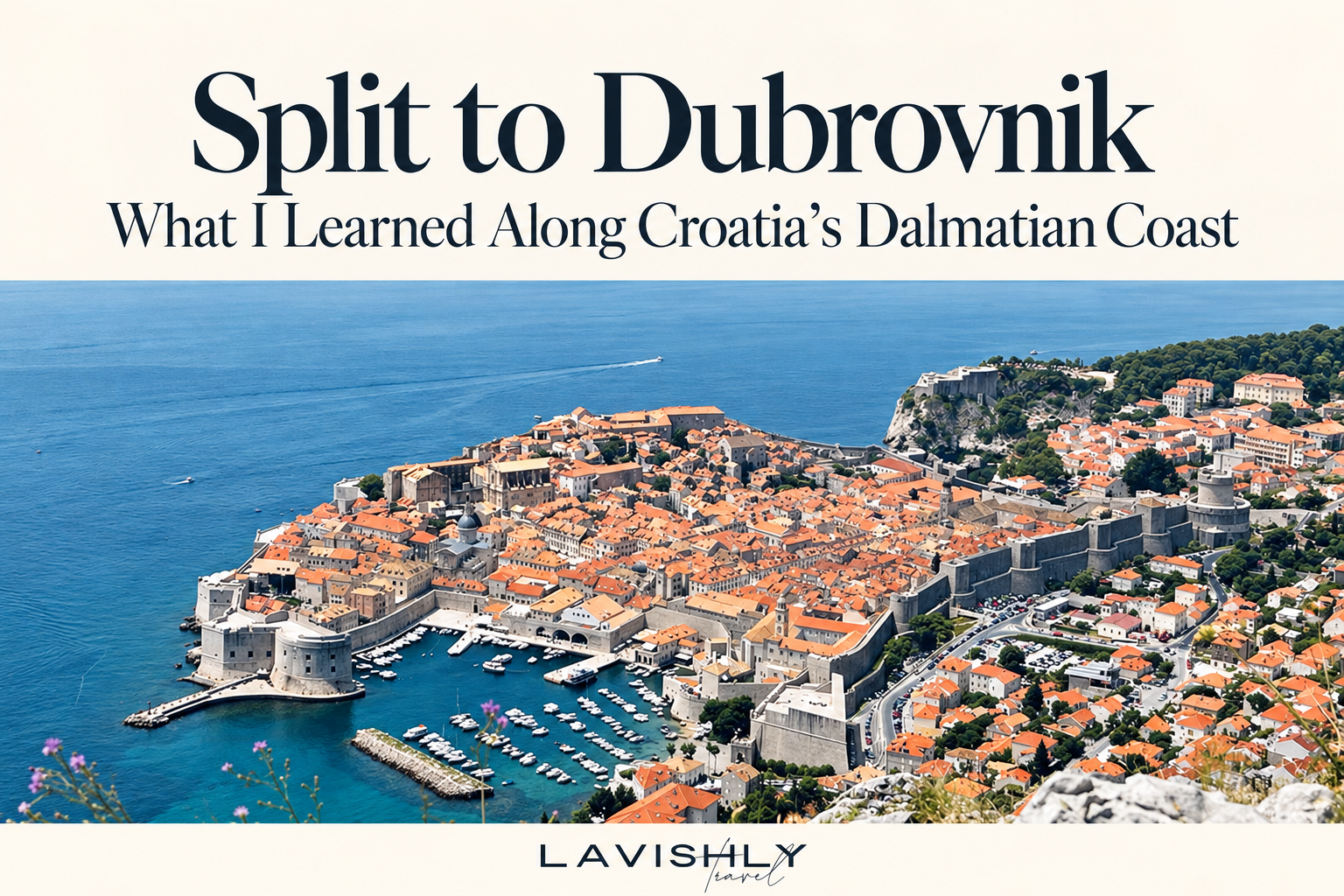
A few years ago, I took my daughter Gracie to Croatia, and it’s one of those trips I still think about when clients ask where they should go next. We flew into Split, made our way down to Dubrovnik, and spent our days somewhere between old stone streets, turquoise water, and more good food than I expected. I didn’t plan the trip as a blog post, I planned it as a mother-daughter trip. But almost everything I learned along the way is exactly what I now tell clients who are considering Croatia for the first time.
Split: Old Town, a Painting Class, and Tacos
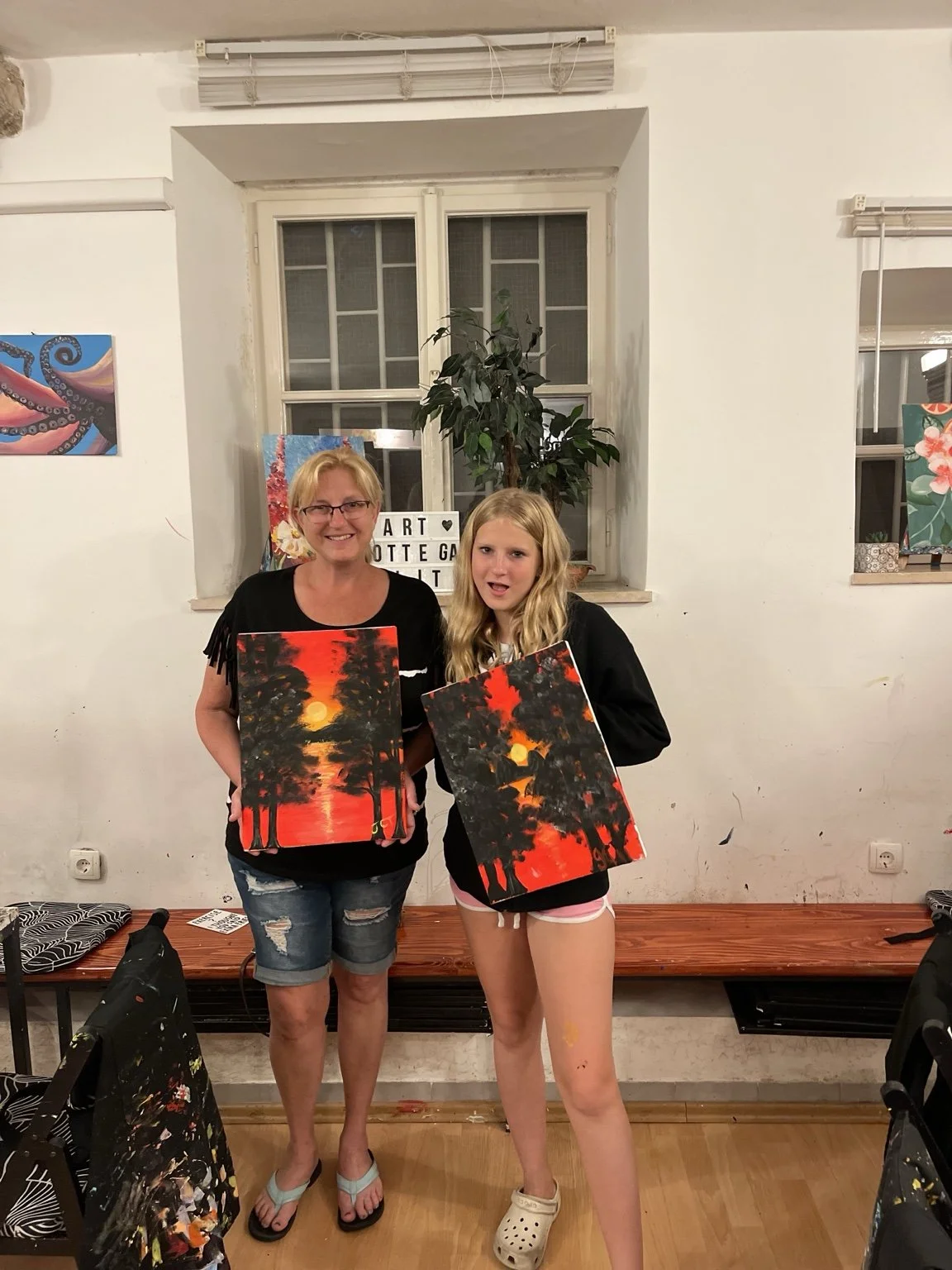
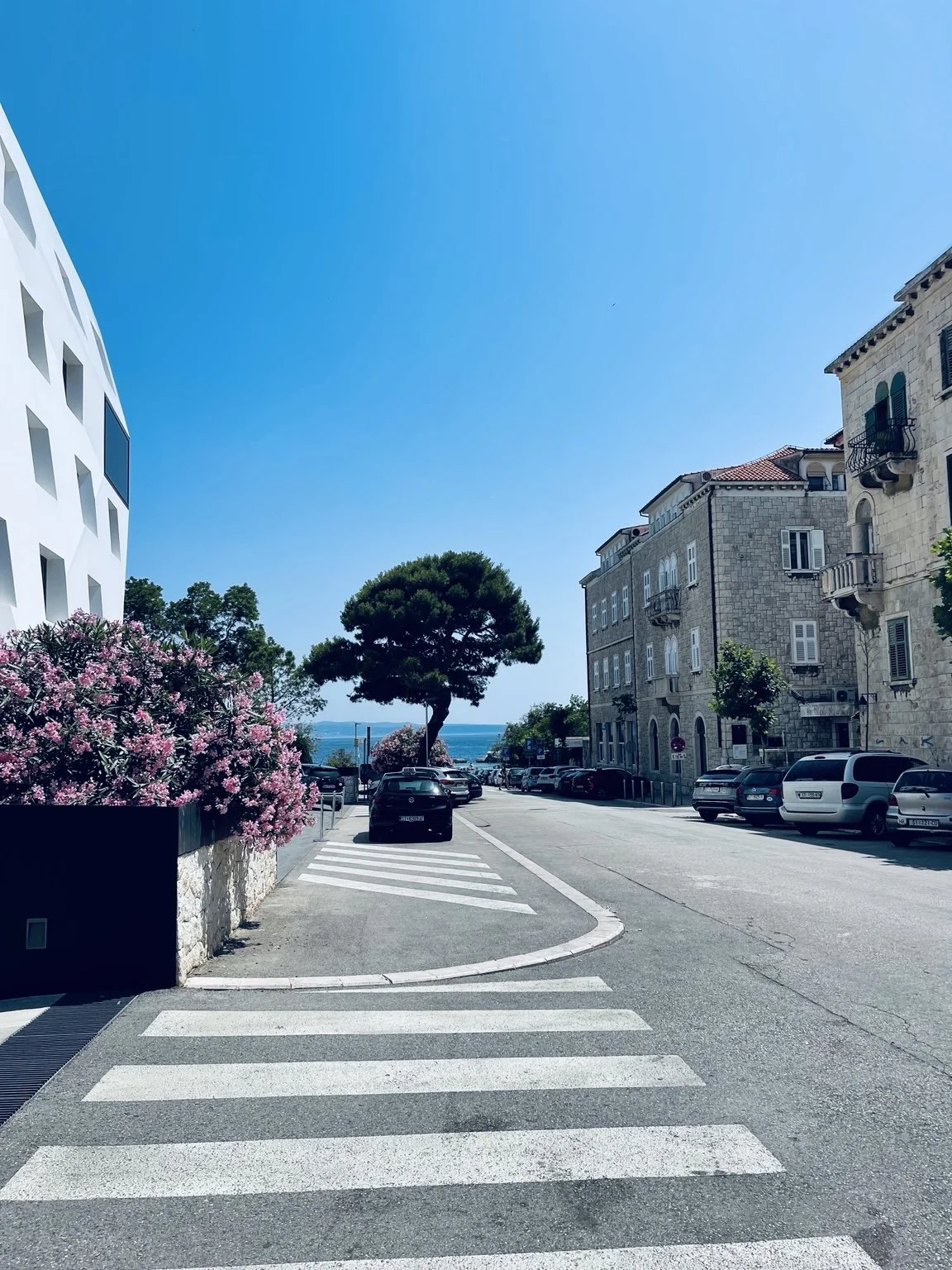
Split was our starting point, and it turned out to be one of my favorite stops. The old town is built right into and around Diocletian’s Palace, so you’re walking through Roman ruins on your way to dinner without really thinking about it. One afternoon, Gracie and I took a painting class together in Split. It wasn’t something I’d planned months in advance, it was one of those spontaneous, slow-travel moments that ended up being one of the best parts of the whole trip. We also caught live music one evening at our hotel, and, somewhat randomly, had some really good tacos in Split. Croatia isn’t a place people usually associate with Mexican food, but it was a reminder that even a destination with a strong culinary identity of its own can still surprise you.
The Ferry from Split to Dubrovnik
Getting from Split to Dubrovnik is part of the Croatia experience itself. We took a ferry down the coast, which gave us a completely different view of the Dalmatian Coast than we would have had driving between the two. I won’t pretend to remember the exact schedule or price we paid, ferry routes and timing change season to season, and I always tell clients to let me check current options rather than relying on what I experienced years ago. But the larger point still holds: building in a slower, scenic way to move between cities is part of what makes a Croatia itinerary feel different from a typical city-to-city hop.
A Day Trip to Hvar and the Blue Lagoon
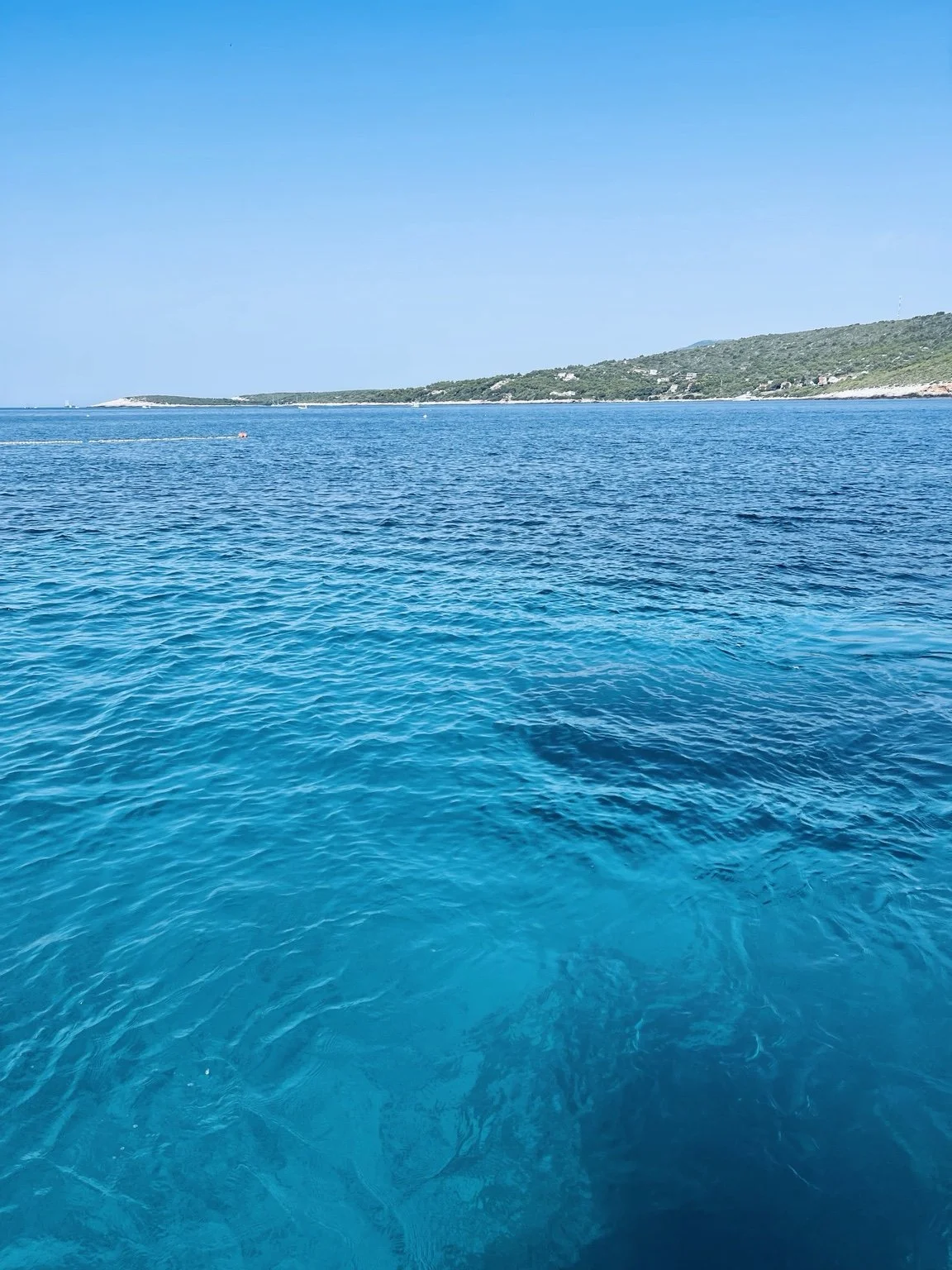
From Split, we also did a day trip out to Hvar and the Blue Lagoon, and it was a great change of pace, more about boats, swimming, and open water than old town wandering. If you love a good island day on the water, this kind of excursion is worth building into a Croatia itinerary. It’s also a good example of why I encourage clients not to over-pack every day with only historic sites. A mix of pace, some days in town, some days on the water, made the trip feel much more like a vacation and less like a checklist.
Settling in Near the Marina in Dubrovnik
When we got to Dubrovnik, we stayed near the marina, which I’d recommend if you want easy access to the water and a slightly calmer base than staying right inside the Old Town walls. Dubrovnik’s Old Town is compact and walkable, but it also gets crowded, especially when cruise ships are in port. Having a marina-adjacent home base gave us a place to come back to that felt a little more like our own than a stop on a tour.
Wandering Dubrovnik’s Old Town
Dubrovnik’s Old Town lives up to its reputation. The limestone streets, the city walls, the sheer density of history packed into such a small, walkable space, it’s genuinely special. We spent time just wandering without a fixed plan, which I think is the right way to experience it. My advice to clients heading to Dubrovnik is to resist the urge to schedule every hour. Some of the best moments come from turning down a side street because it looks interesting, not because it was on a list.
The Franciscan Pharmacy, a Detour I Didn’t Expect to Love
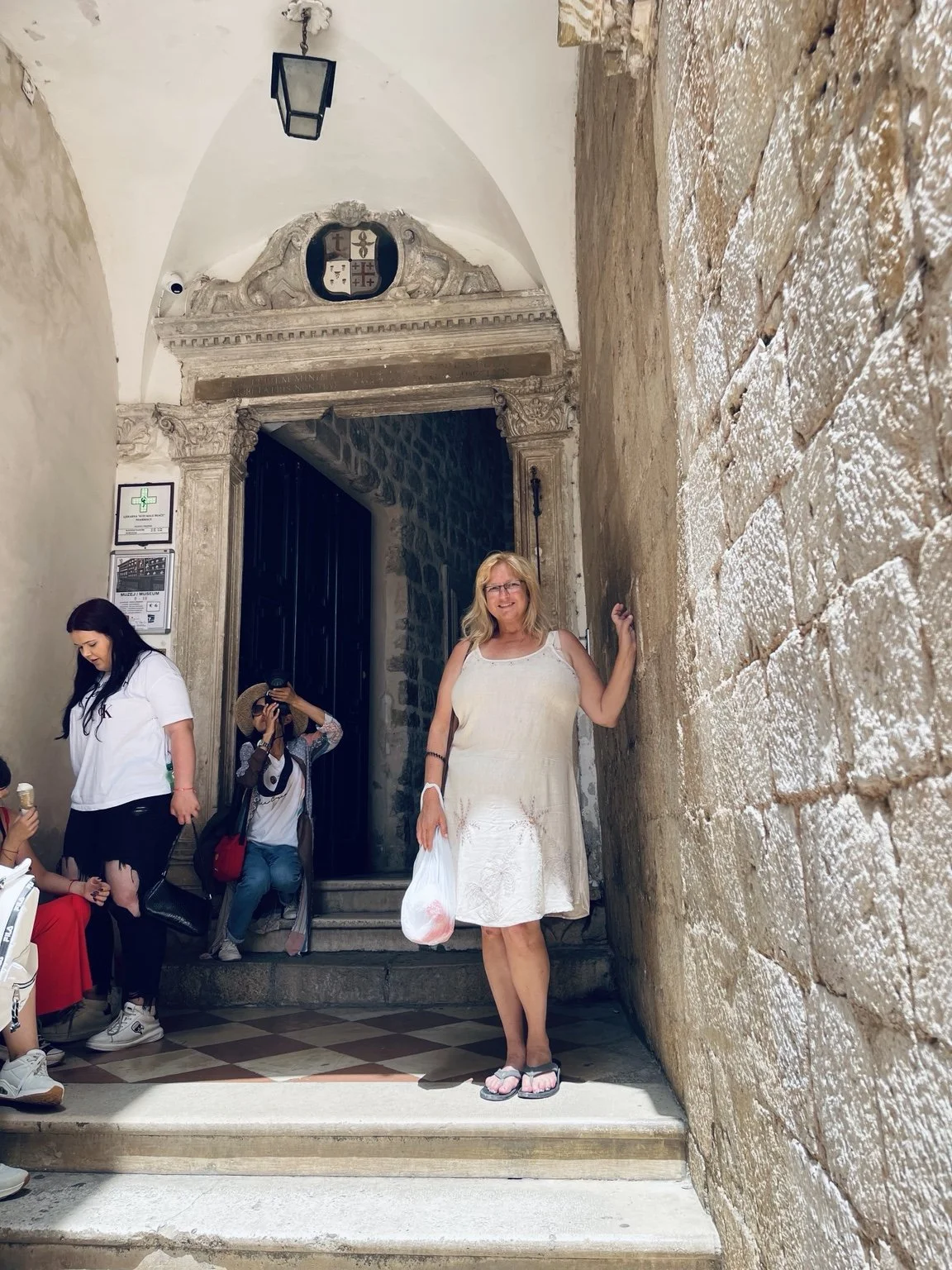
As a pharmacist, I have to mention the Franciscan pharmacy near the Pile Gate. It’s part of the Franciscan Church and Monastery complex, which dates back to 1317, and the pharmacy is considered one of Europe’s oldest continuously operating pharmacies. There’s a small museum alongside the working pharmacy, and it’s known for rose and gold creams rooted in old Franciscan herbal traditions. I’m not going to make any claims about what those products do medically, that’s not something I can speak to, but as someone in the pharmacy field, seeing a working pharmacy with that much history behind it was one of the more unexpectedly moving stops of the whole trip.
Viewpoints Outside the City and an Afternoon in Cavtat
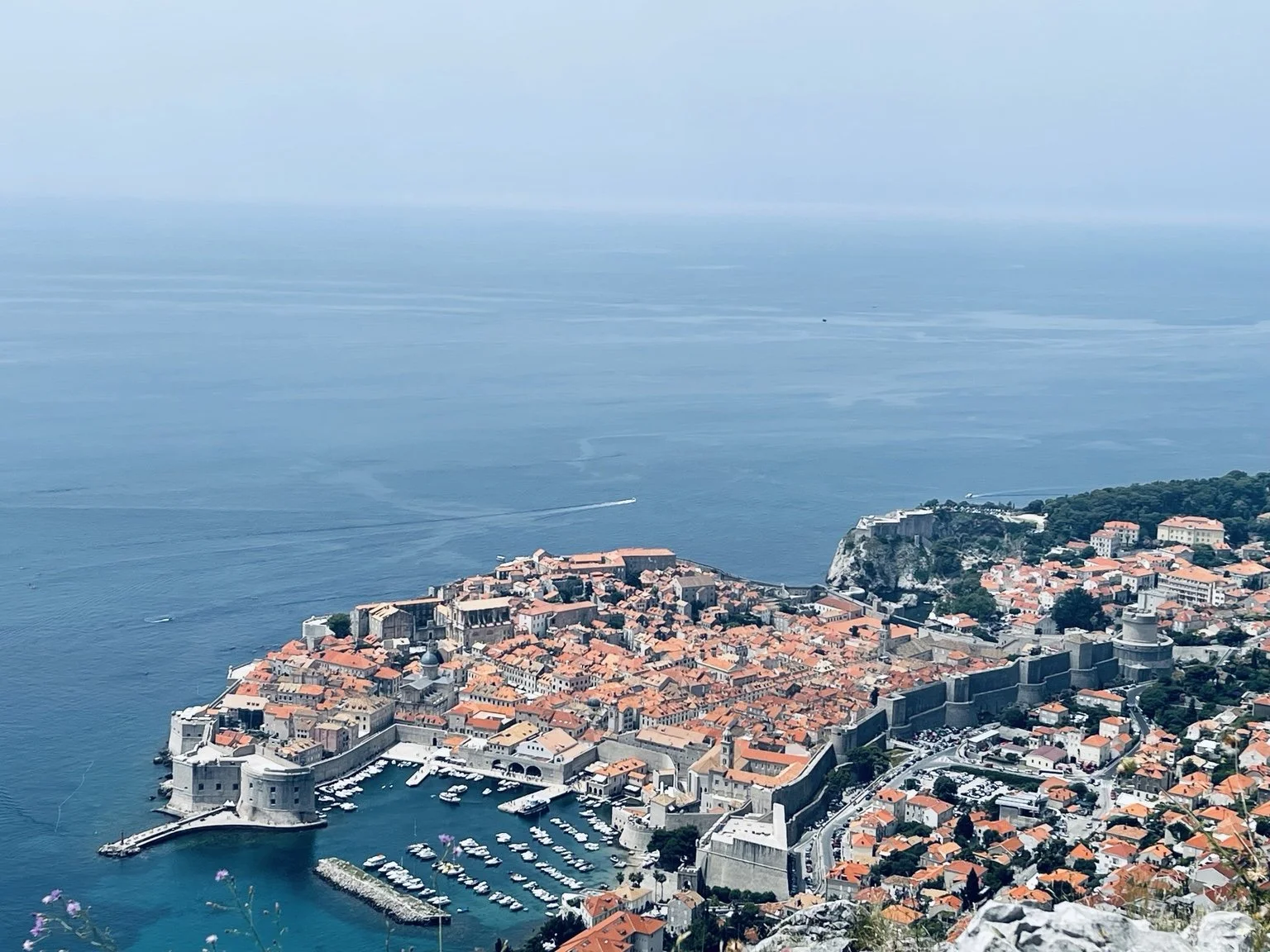
We also made time to get outside Dubrovnik’s city walls, up to some of the scenic viewpoints that look back down over the Old Town and the Adriatic, and out to Cavtat, a quieter coastal town a short drive away. Both were worth the time away from the main Old Town crowds. If clients have more than just a couple of days in the Dubrovnik area, I usually suggest building in at least one of these, a viewpoint or a nearby town like Cavtat, so the trip isn’t only about the walled city itself.
Indian Food in Dubrovnik
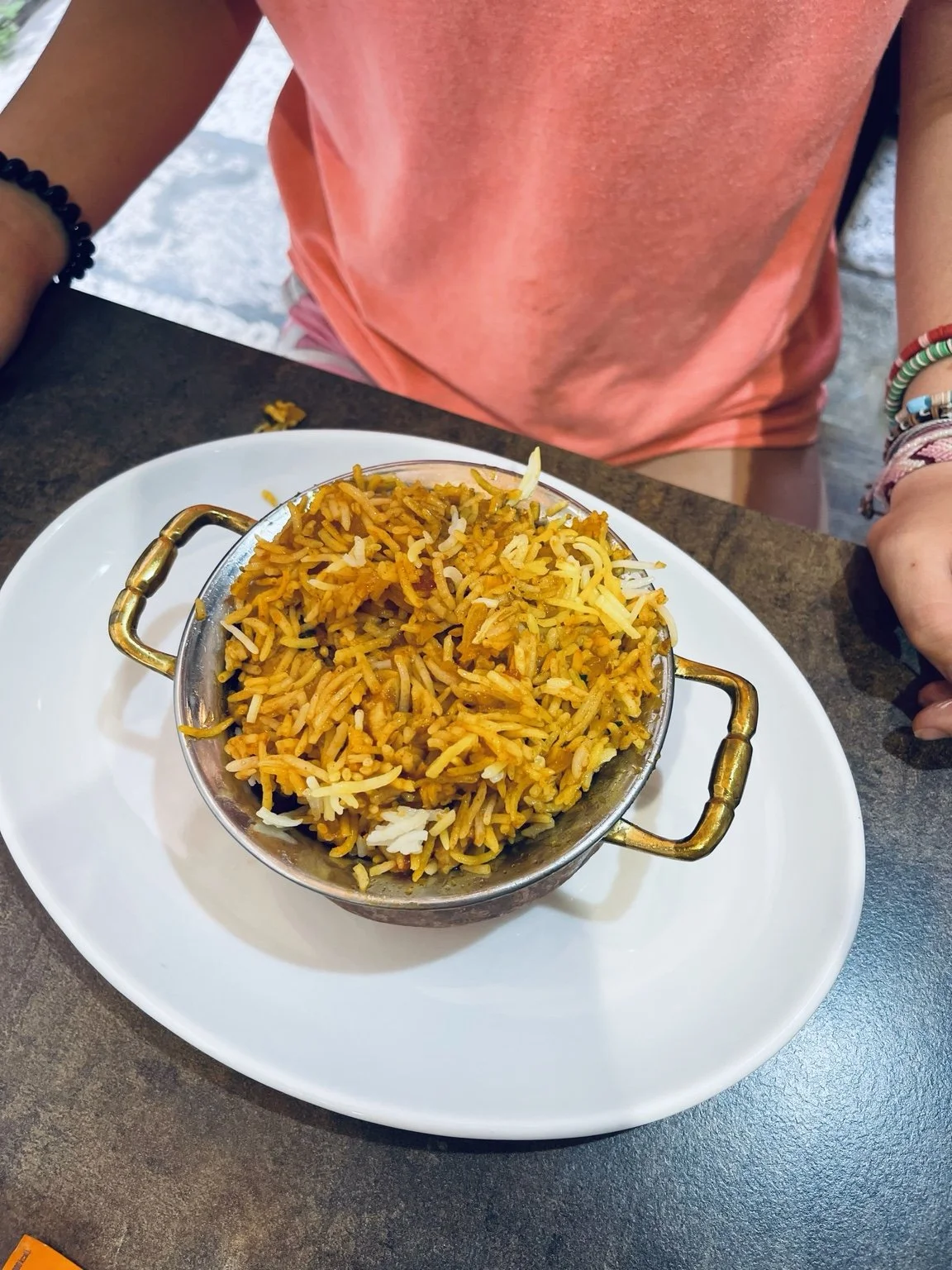
One of the more unexpected meals of the trip was Indian food in Dubrovnik. I mention it because it’s a good reminder that Croatia’s food scene, especially in a city like Dubrovnik that sees travelers from all over the world, is more varied than people expect. You don’t have to choose between incredible seafood and fresh, local Dalmatian cooking, or something completely different when you’re in the mood for it. Both are there.
A Small Story I Still Think About
Near the end of our stay in Dubrovnik, Gracie and I gave the paintings we’d made in that Split class to the manager at our hotel’s front desk. We were moving on and didn’t want to carry them, and he seemed genuinely happy to take them. Months later, he sent me a photo over WhatsApp of our paintings hanging in his home. It’s a small thing, but it’s stayed with me, it’s the kind of connection that happens when you slow down enough on a trip to actually meet people, not just pass through.
What I’d Tell You About Pacing
If there’s one lesson from this trip that shows up in almost every Croatia itinerary I plan for clients now, it’s about pacing. Split and Dubrovnik are different enough, in feel, in rhythm, in what fills your day, that trying to rush through both, plus day trips to Hvar and elsewhere, in too few days will leave you tired instead of relaxed. Croatia rewards a slower pace: a painting class instead of another museum, a ferry ride instead of a rushed transfer, an afternoon in Cavtat instead of one more hour in a crowded Old Town.
Croatia’s Dalmatian Coast tends to suit couples and honeymooners, history and food lovers, and travelers who enjoy walkable old towns and coastal scenery, along with anyone comfortable with a multi-stop itinerary that involves some coordinated travel between cities.
Plan Your Own Croatia Journey
If Split, Dubrovnik, and the Dalmatian Coast sound like the kind of trip you’ve been wanting, take a look at our Croatia travel planning page for a fuller look at how we approach itineraries there, from pacing to island time to where to base yourself in each city.
Ready to start planning your own trip to Croatia? I’d love to help you put together an itinerary that fits your pace, your interests, and your timeline. Reach out to start planning, or schedule a complimentary planning conversation with me directly.