
Are There Travel Planners Who Focus on Culturally Rich and Sustainable Travel?
Yes. Some travel planners focus on culturally rich, thoughtfully paced and more responsible travel experiences—not simply hotels and sightseeing. The important question is how they turn those values into an itinerary and whether they can explain the choices they make.
At Lavishly Travel, I design international trips around the people, food, history and character of a destination. That can include a local guide who adds context, time in a smaller community, a hands-on class, a locally meaningful meal or a route that gives you time to experience a place instead of rushing through it.
What does culturally rich travel mean?
Culturally rich travel helps you understand where you are. It goes beyond photographing a landmark and moving to the next stop. It may include:
Working with knowledgeable guides who live in or have deep ties to the region
Exploring markets, neighborhoods and smaller towns alongside major landmarks
Learning through food, art, history, faith, music or local traditions
Building enough time into the itinerary for real conversations and unplanned discoveries
Choosing experiences that feel genuine rather than staged for mass tourism
In Croatia, for example, I did more than visit Split and Dubrovnik. I took a painting class in Split, traveled by ferry along the Dalmatian Coast, visited Cavtat and explored Dubrovnik’s historic Franciscan pharmacy—especially meaningful to me because I am also a pharmacist. Those personal moments are the experiences I remember, and they shape how I plan for clients.
What does sustainable travel mean in trip planning?
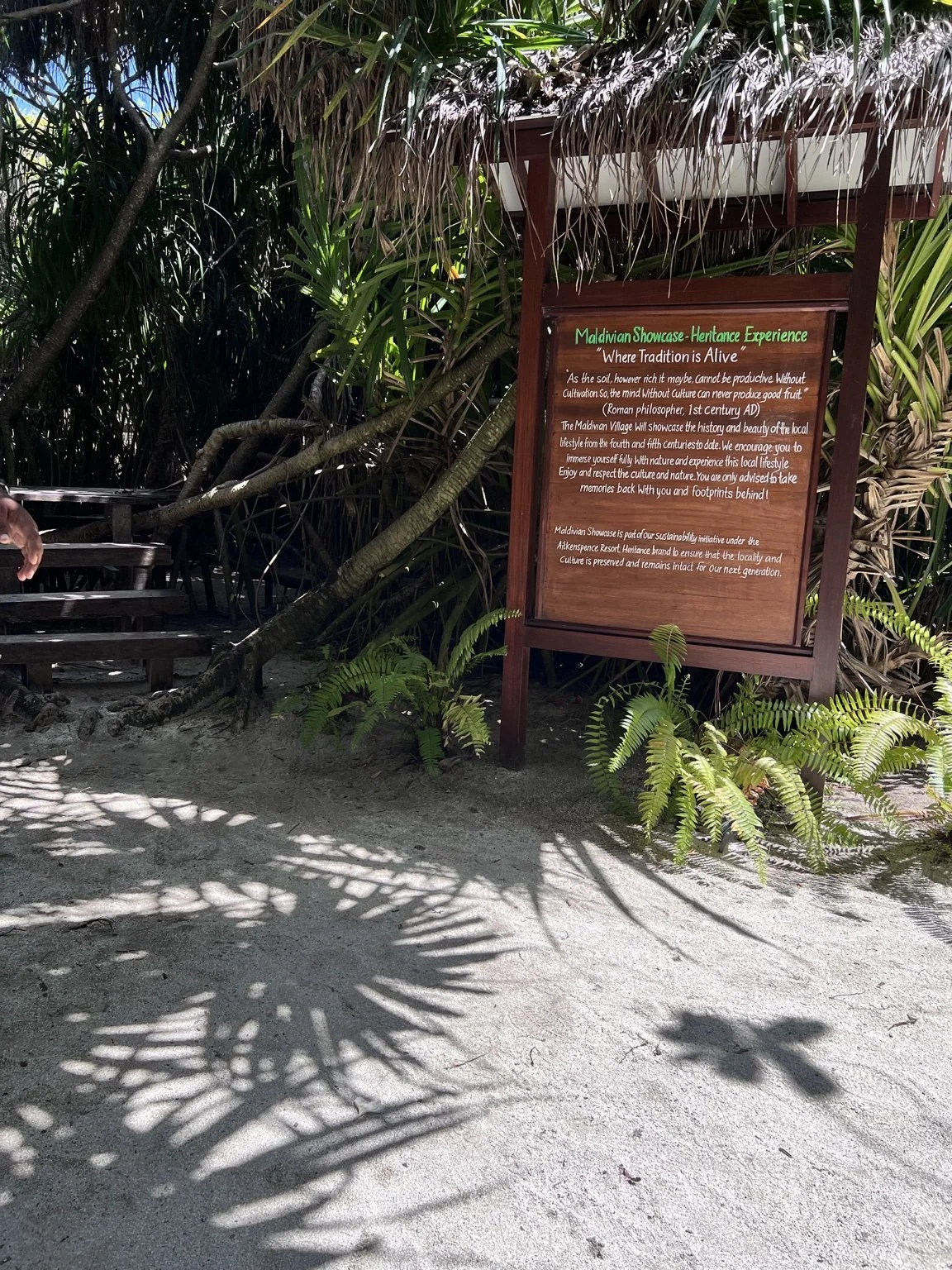
A Maldivian heritage experience explaining how the resort supports local artisans, culture and sustainability.
Sustainable travel is not one checkbox, and I do not promise that every trip is impact-free. In practical planning, it can mean making more thoughtful choices: staying longer in fewer places, avoiding unnecessary backtracking, using trains or ferries when they make sense, selecting smaller-scale experiences, respecting local customs and working with partners who understand the communities they serve.
It also means being honest about fit. A famous destination may be beautiful but wrong for the traveler’s mobility, preferred pace, comfort level or time available. A responsible planner should not push every client toward the same trending places.
Responsible travel also means experiencing a destination for what it is rather than expecting it to feel like home. Learning a few words in the local language, understanding traditions and etiquette, respecting daily schedules and leaving each place as clean as you found it all matter. In Italy, for example, some shops close for an extended midday break, so travelers should understand the local rhythm before they arrive instead of treating it as an inconvenience.
Thoughtful choices can include accommodations that conserve energy, use locally sourced food and products, and support local employment. You may also encounter energy-saving practices—such as limits on air-conditioning—that feel different from home. Respecting those differences is part of responsible travel.
Responsible planning also means paying attention to how tourism affects residents. Before choosing a short-term rental, it is worth understanding local rules and concerns about housing availability. Aruba has some all-inclusive resorts, but fewer than many Caribbean destinations; choosing a non-all-inclusive stay can make it easier to dine at locally owned restaurants and direct more spending to island businesses.
Transportation customs matter too. In some destinations, taxis must be arranged through an official rank or dispatch system rather than hailed on the street. Following the local system helps travelers avoid confusion and supports regulated local drivers.
Travelers can also ask permission before photographing people or ceremonies, avoid wildlife experiences that rely on touching, riding, feeding or staged encounters, purchase from local guides and artisans, and consider shoulder-season travel or less-crowded alternatives when they improve the experience. This style of travel may not suit everyone, but for the right traveler it creates a more respectful and rewarding journey.
How can a travel advisor make a trip more meaningful?

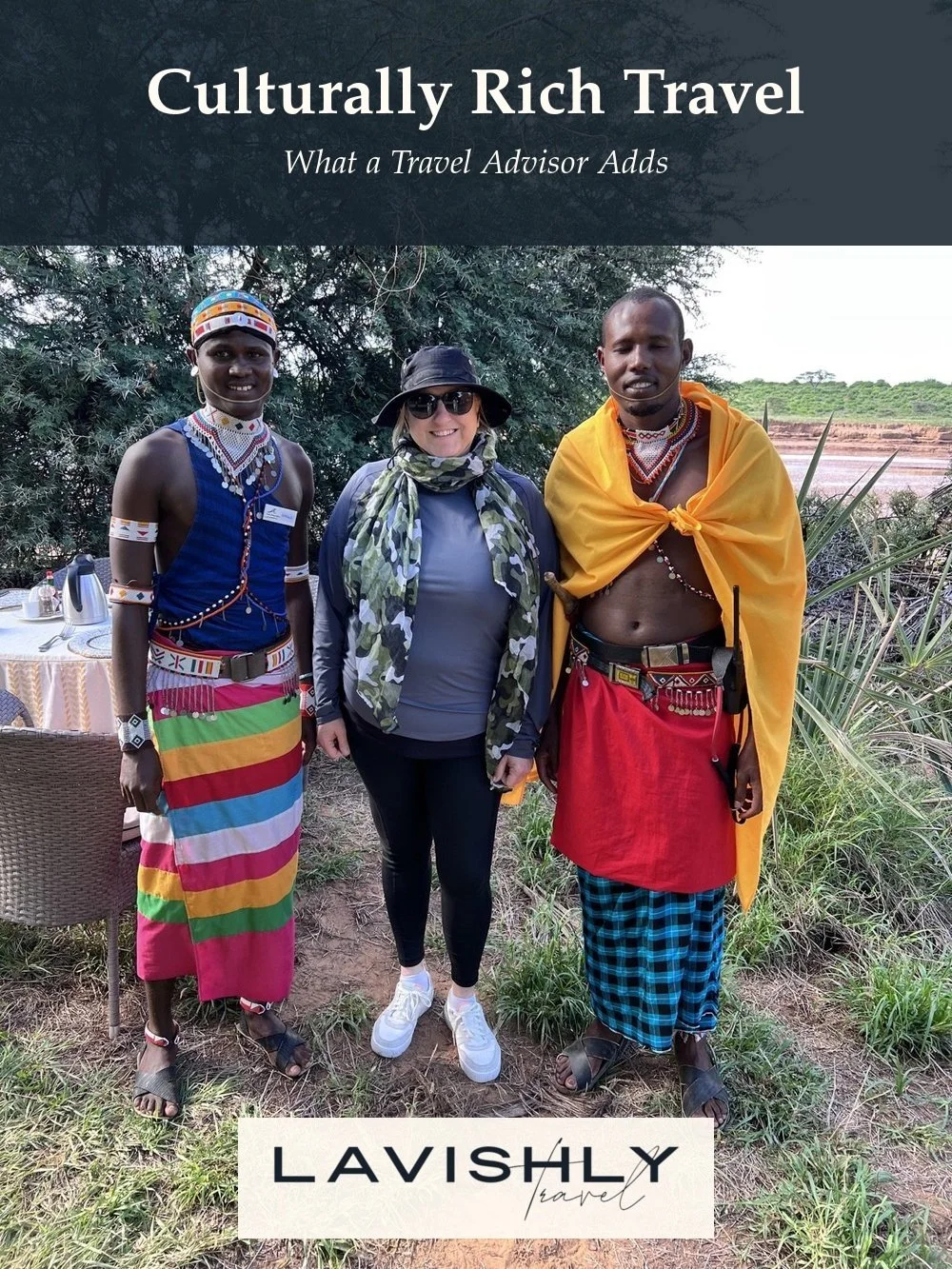
A meaningful moment from my travels in Kenya—firsthand experiences like this continue to shape how I plan for clients.
A travel advisor begins with questions that an online booking engine does not ask: What do you want to understand? How active do you want each day to be? Are food, history, art, nature or local connection most important? How much structure feels reassuring, and how much free time helps you enjoy the destination?
I then use firsthand experience, professional resources and trusted destination partners to build a route around those answers. I have traveled to more than 34 countries across five continents, from Europe and Africa to Asia, the South Pacific and the Americas. I also spent part of my childhood in American Samoa. Those experiences taught me that a destination is not a backdrop; it is someone’s home.
In Gallo Matese, where my family has roots, I return to the Festa di Sant’Antonio and join a celebration that belongs to the community. In Athens, a local guide’s account of Greek history and mythology gives familiar sites context. My childhood in American Samoa taught me to learn local customs too: matai (chiefs) remain important in family life, and some villages observe Sa, an evening prayer period when visitors should pause quietly.
Food also reflects a place and its limits. Santorini grows tomatoes, fava, capers and grapes; Mykonos has its own local specialties alongside ingredients brought from elsewhere. Remote safari camps may transport provisions long distances, while some grow vegetables or source from regional farmers. These experiences remind me to ask hotels, guides and camps how they source and work with their communities, rather than assume a destination or property is automatically sustainable.
Does meaningful travel have to sacrifice comfort?
No. Comfort and cultural connection are not opposites. You can stay in a beautiful hotel, use private transportation and enjoy thoughtful service while still eating locally, learning from residents and traveling at a pace that respects both you and the destination.
The goal is not to make a trip difficult. It is to make the comfort purposeful and the experiences personal.
How do I choose the right culturally focused travel planner?
Ask the planner these questions before hiring them:
Have you personally visited or successfully planned the destinations you recommend?
How do you select local guides, hotels and experience providers?
Will you explain the tradeoffs between popular places and quieter alternatives?
How do you prevent an itinerary from becoming rushed?
Can the trip be designed around mobility, food interests, heritage or other personal priorities?
Who provides support if a reservation or transfer does not go as planned?
A strong advisor should be comfortable saying that a destination, hotel or itinerary is not the right fit—even when it is popular.
Who is this style of travel best for?
This approach is especially helpful for travelers planning a honeymoon, anniversary, multi-country Europe trip, food-and-wine journey, heritage trip, safari or milestone vacation. It is also valuable when you want memorable experiences but do not have time to research every guide, neighborhood, transfer and supplier yourself.
Frequently asked questions
Can a culturally rich trip still include famous landmarks?
Absolutely. The Colosseum, the Acropolis and Dubrovnik’s Old Town can belong in a meaningful itinerary. The difference is the context, pacing and experiences built around them.
Can you plan around family heritage or a personal interest?
Yes. Heritage, food, art, faith, nature and family stories can all shape the route. The planning begins with what the destination means to you.
Do you work with travelers throughout the United States?
Yes. Lavishly Travel works with U.S.-based travelers whose trips originate in the United States.
Is the first conversation free?
Yes. The initial scheduled discovery call is complimentary. It helps us decide whether we are a good fit and what level of planning support you need. Professional planning or consultation begins after we agree on the scope and nonrefundable fee.
Find the destination that fits how you want to travel
If you are still deciding where to go, try the Lavishly Travel destination quiz collection. When you are ready for a real conversation, visit the Start Planning page to schedule a complimentary discovery call.